

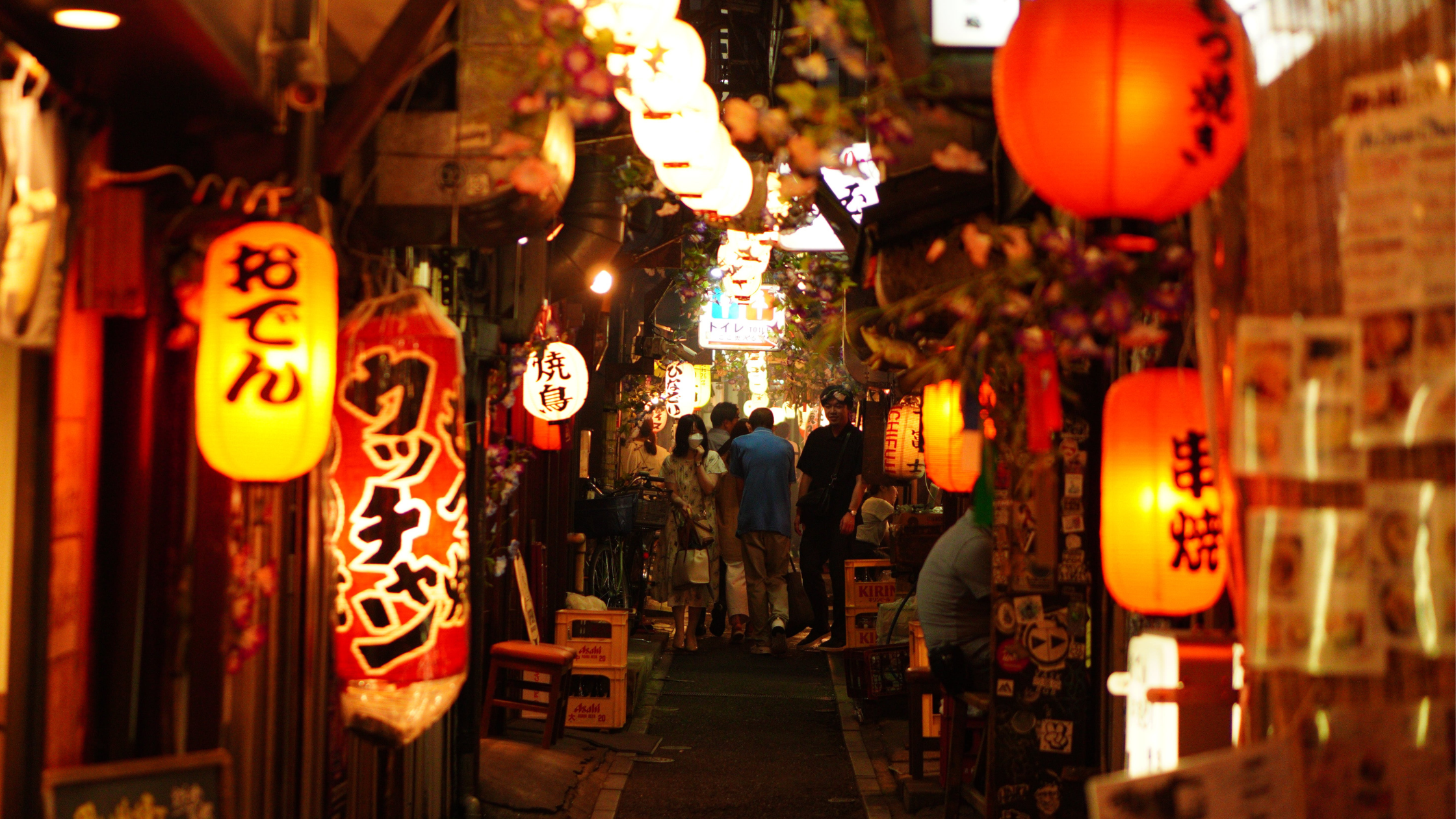
If you've ever wandered through the lantern-lit streets of Tokyo or stepped into an authentic Japanese restaurant, you've likely encountered
the smoky, savoury aroma of yakitori. These simple yet sublime grilled chicken skewers represent one of Japan's most beloved culinary
traditions, offering a perfect harmony of flavour, technique, and social dining culture.

Yakitori, which literally translates to "grilled bird" (yaki meaning grilled, tori meaning bird), is a traditional Japanese dish consisting of bite-sized pieces of chicken threaded onto bamboo or metal skewers and grilled over charcoal. While the concept seems straightforward, yakitori is an art form refined over centuries, where quality ingredients, precise grilling techniques, and careful seasoning come together to create something truly extraordinary.
Unlike casual barbecue fare found elsewhere, yakitori embodies the Japanese philosophy of perfecting simplicity. Each skewer showcases a
specific cut of chicken, allowing diners to appreciate the unique flavour and texture of different parts of the bird. From tender thigh meat
to crispy skin, creamy liver to chewy cartilage, yakitori celebrates the whole chicken in a way few other cuisines do.
The origins of yakitori trace back to the early 17th century during Japan's Edo period, though chicken wasn't widely consumed in Japan until after the Meiji Restoration in 1868, when Buddhist dietary restrictions relaxed. Before this, yakitori occasionally featured other birds like sparrows or quail.
The modern yakitori culture emerged in post-war Japan during the 1950s and 1960s. As chicken became more affordable and accessible, yakitori stalls began appearing near train stations and in entertainment districts, offering quick, delicious meals for workers on their way home. These informal eateries, known as yakitori-ya, became integral to Japanese social life, serving as gathering places where colleagues, friends, and families could enjoy food and conversation over cold beer or sake.
Today, yakitori ranges from casual street food served at festival stalls to refined dining experiences at specialty restaurants where master chefs dedicate their careers to perfecting their craft.
What sets authentic yakitori apart is the meticulous attention to detail in every aspect of preparation. Traditional yakitori chefs, or yakitori-ya masters, spend years perfecting their technique, understanding that the difference between good and exceptional yakitori lies in the subtleties.

"MOMO" (thigh meat) is the most popular cut, prized for its juicy tenderness and rich flavour. The higher
fat content keeps the meat moist during grilling.

"NEGIMA" combines chicken thigh with sections of Japanese shallot (negi), creating a perfect balance of savoury meat and sweet,
slightly caramelized vegetables.
"TSUKUNE" are chicken meatballs, often mixed with minced cartilage for texture, shaped around
the skewer and grilled until golden, Delicious if dipped in raw egg yolk!
"KAWA" (skin) is grilled until delightfully crispy, offering a satisfying textural contrast with an almost chicharrón-like
quality.
"SASAMI" (chicken tenderloin) provides the leanest option, with a delicate texture that requires careful
attention to prevent drying out.

Beyond these common cuts, adventurous diners can explore offal options like "HATSU (heart), "LEBA" (liver),
"SUNAGIMO" (gizzard), and "BONJIRI" (tail), each providing unique textures and flavours
that showcase nose-to-tail cooking philosophy.

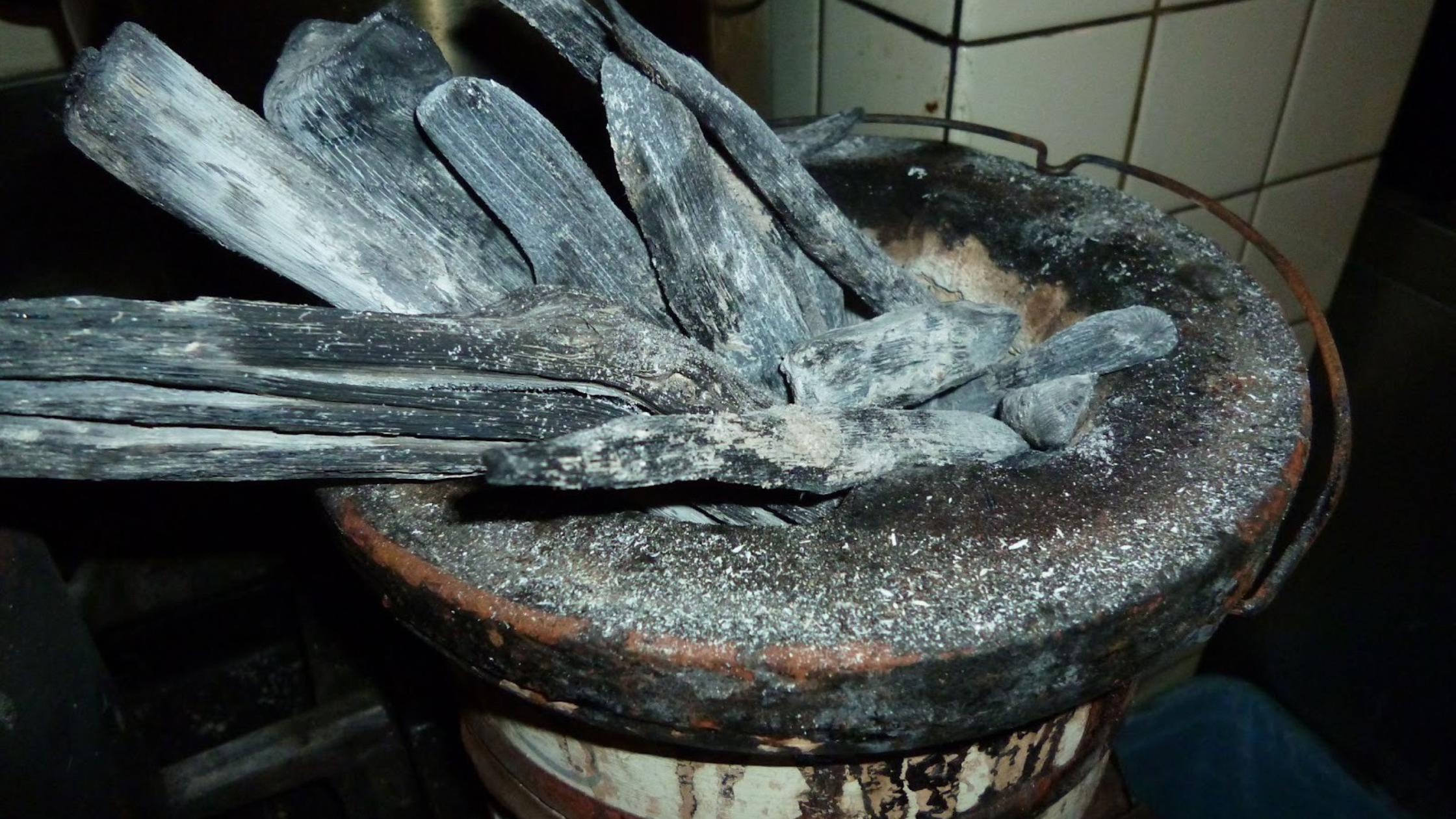
Authentic yakitori is cooked over binchotan, a premium Japanese white charcoal made from ubame oak. Binchotan burns at extremely high
temperatures (around 1000°C) while producing minimal smoke and flame, providing intense, even heat that sears the outside of the chicken
while keeping the interior tender and juicy. This charcoal is a significant investment, but yakitori enthusiasts believe nothing else
delivers the same depth of flavour.
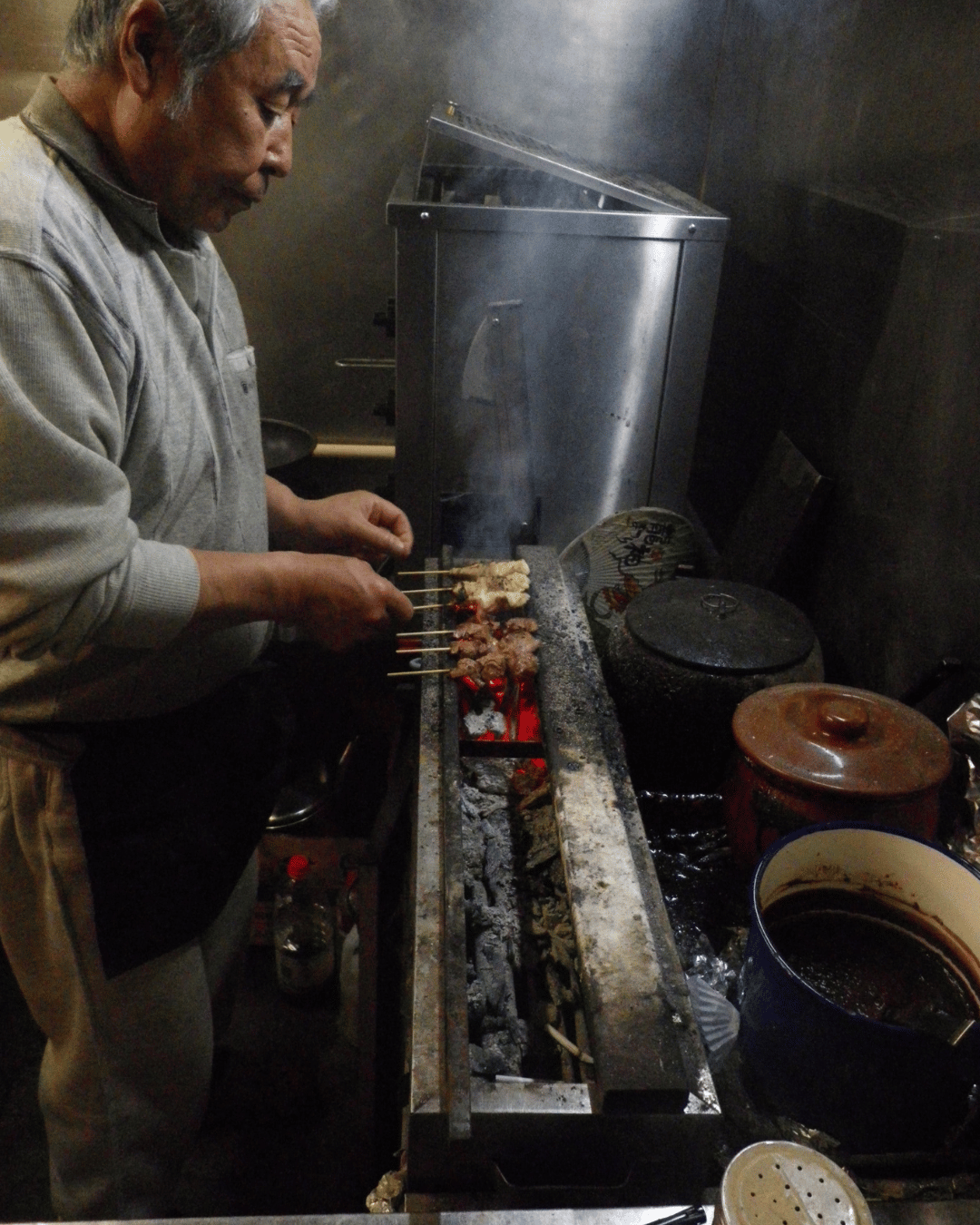
The grilling technique itself requires constant attention. Chefs position skewers at varying distances from the coals depending on the cut, rotating them frequently to ensure even cooking. The goal is to achieve a beautiful char on the exterior while maintaining moisture within—a balance that takes years to master.
When ordering yakitori, you'll typically choose between two seasoning styles:
Shio (salt) represents purity and simplicity. High-quality sea salt is applied to the chicken before or during grilling, allowing the natural flavour of the chicken and the smoky charcoal to shine through. Shio yakitori is particularly suited to leaner cuts like sasami or showcasing premium chicken.
Tare is a sweet and savoury glaze made from soy sauce, mirin, sake, and sugar, simmered and reduced until syrupy. The chicken is repeatedly dipped in tare during grilling, creating layers of glossy, caramelized flavour. This sauce is often decades old in traditional establishments, with chefs continually adding to the same master batch, creating complex, deeply developed flavours.
Both styles have passionate advocates, and many diners order a mix to experience the full range of yakitori expression.

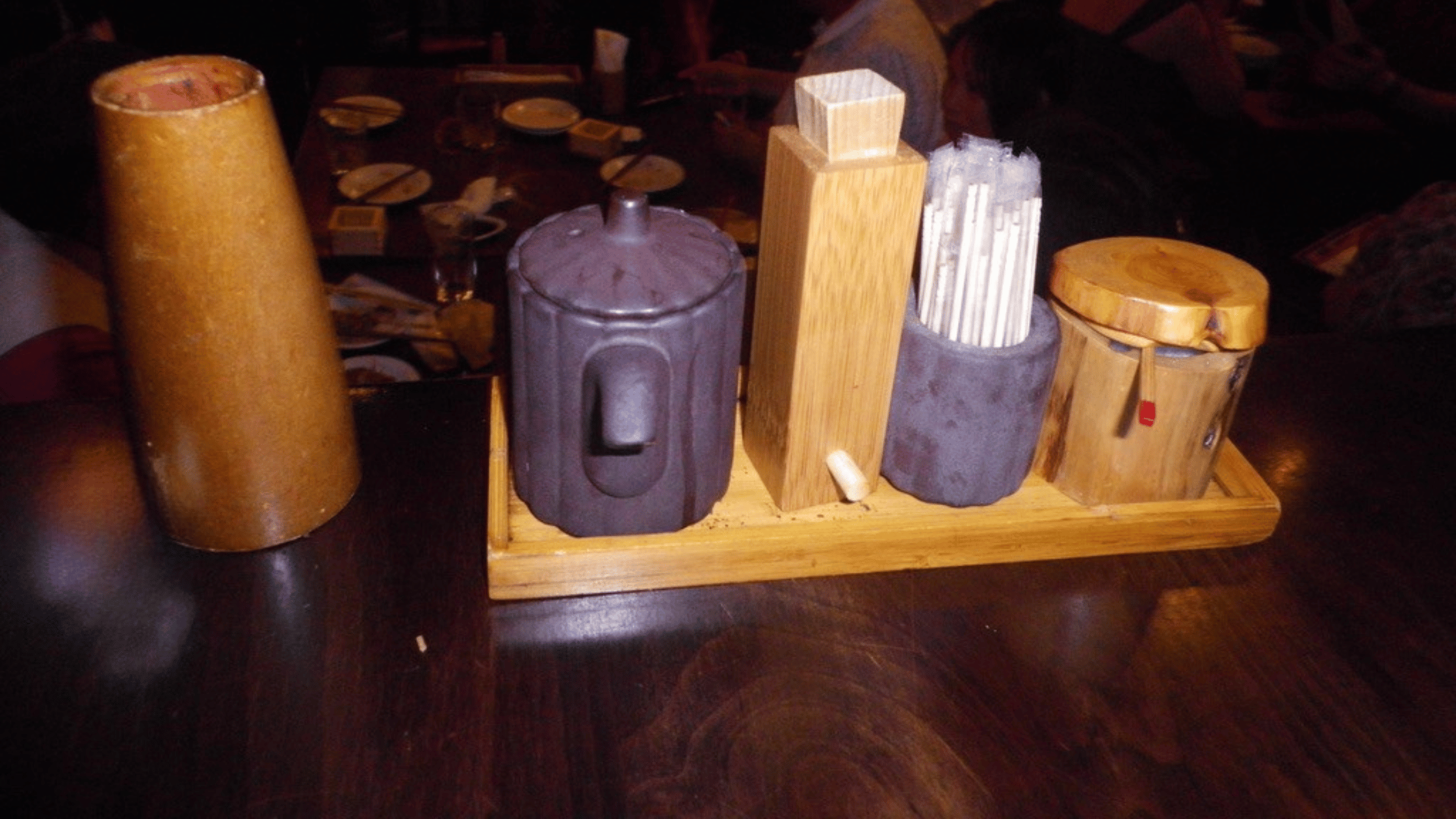
Visiting a yakitori restaurant is about more than just the food—it's a cultural experience. Traditional yakitori-ya are often intimate spaces with counter seating arranged around the grill, allowing diners to watch the chef at work. The rhythmic sound of skewers being turned, the sizzle of meat hitting hot charcoal, and the aromatic smoke create an immersive sensory experience.
Yakitori is typically enjoyed with ice-cold beer or sake, and it's common to order several rounds of skewers throughout the evening, pacing your meal and trying different cuts. This leisurely approach encourages conversation and connection, embodying the Japanese concept of nominication. This stems from the two words, nomu, meaning to drink in Japanese and communication in English, creating a word that means communication through social drinking!
While yakitori originated in Japan, its appeal has spread globally, with dedicated yakitori bars bringing authentic techniques and flavours to cities worldwide. In Brisbane, food lovers can now experience this traditional dining style without traveling to Tokyo, enjoying expertly grilled skewers prepared with the same care and attention as you'd find in Japan's finest yakitori-ya.
The best yakitori experiences honour tradition while embracing local ingredients, maintaining the essential elements—quality chicken, charcoal grilling, and careful seasoning—that make yakitori such a compelling cuisine.
In an era of increasingly complex dining trends, yakitori reminds us that simplicity, when executed with skill and respect, creates something extraordinary. It's a cuisine that celebrates ingredients rather than obscuring them, that values technique over showmanship, and that brings people together in warm, convivial settings.
Whether you're a first-time visitor curious about Japanese cuisine or a seasoned enthusiast, yakitori offers an accessible yet endlessly nuanced culinary journey. Each skewer tells a story of craftsmanship, tradition, and the simple pleasure of perfectly grilled chicken shared among friends.
Ready to experience authentic yakitori for yourself? Visit Bird's Nest in Brisbane and discover why these humble skewers have captivated
food lovers for generations.