

Walking into a yakitori restaurant for the first time can feel intimidating. The menu might be filled with unfamiliar Japanese terms, the dining rituals seem different from what you're used to, and you're not quite sure what all those items on the table are for. Don't worry—this comprehensive guide will help you navigate your yakitori experience with confidence, whether you're dining in Brisbane or Tokyo.
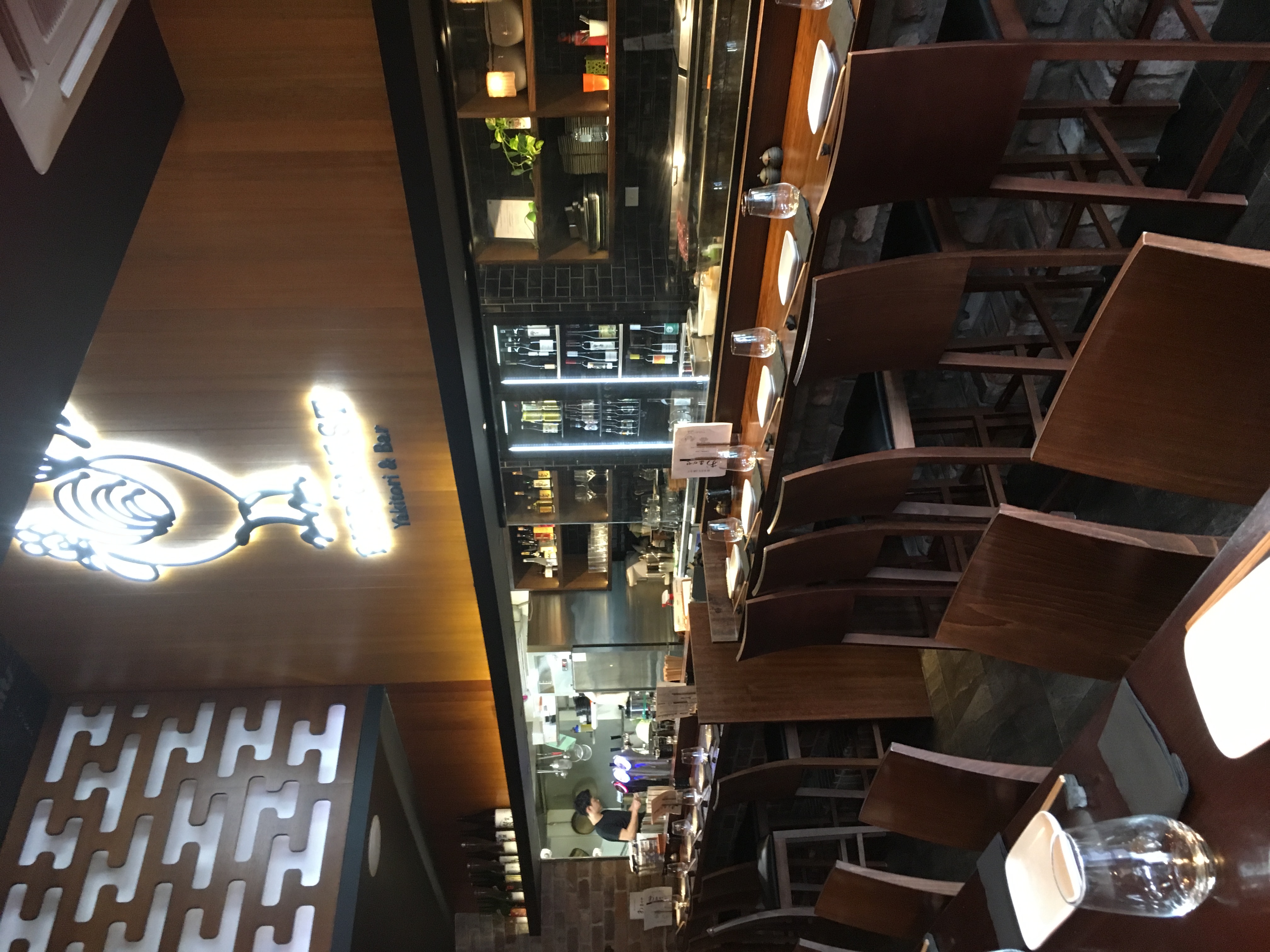
Most authentic yakitori restaurants have a casual, lively atmosphere. You'll likely be greeted with an enthusiastic "Irasshaimase!" (welcome!) from the staff. Don't feel pressured to respond in Japanese—a smile and nod work perfectly fine.
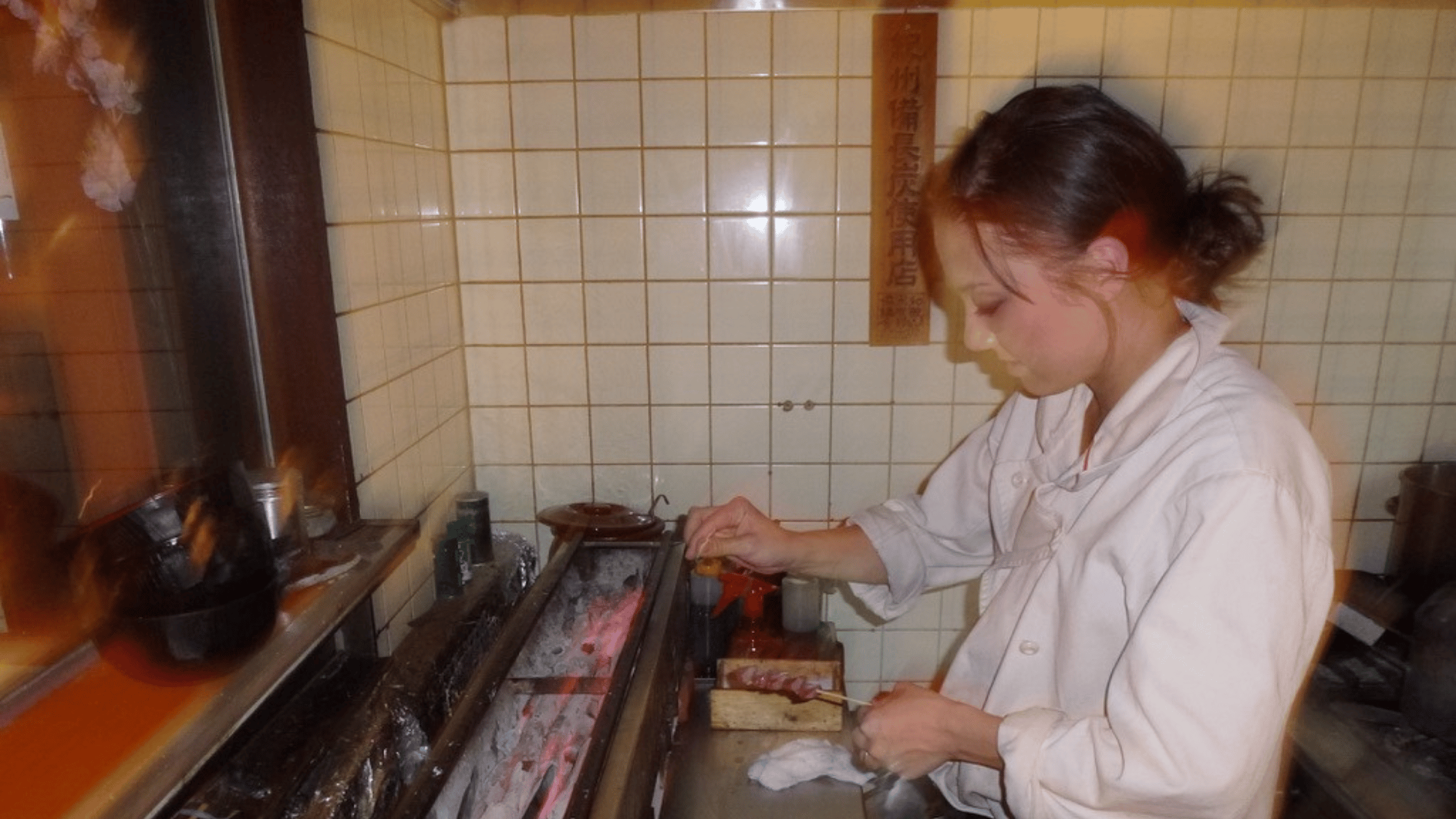
If given the choice, counter seats facing the grill offer the best experience. You'll watch the chef at work, feel the warmth of the
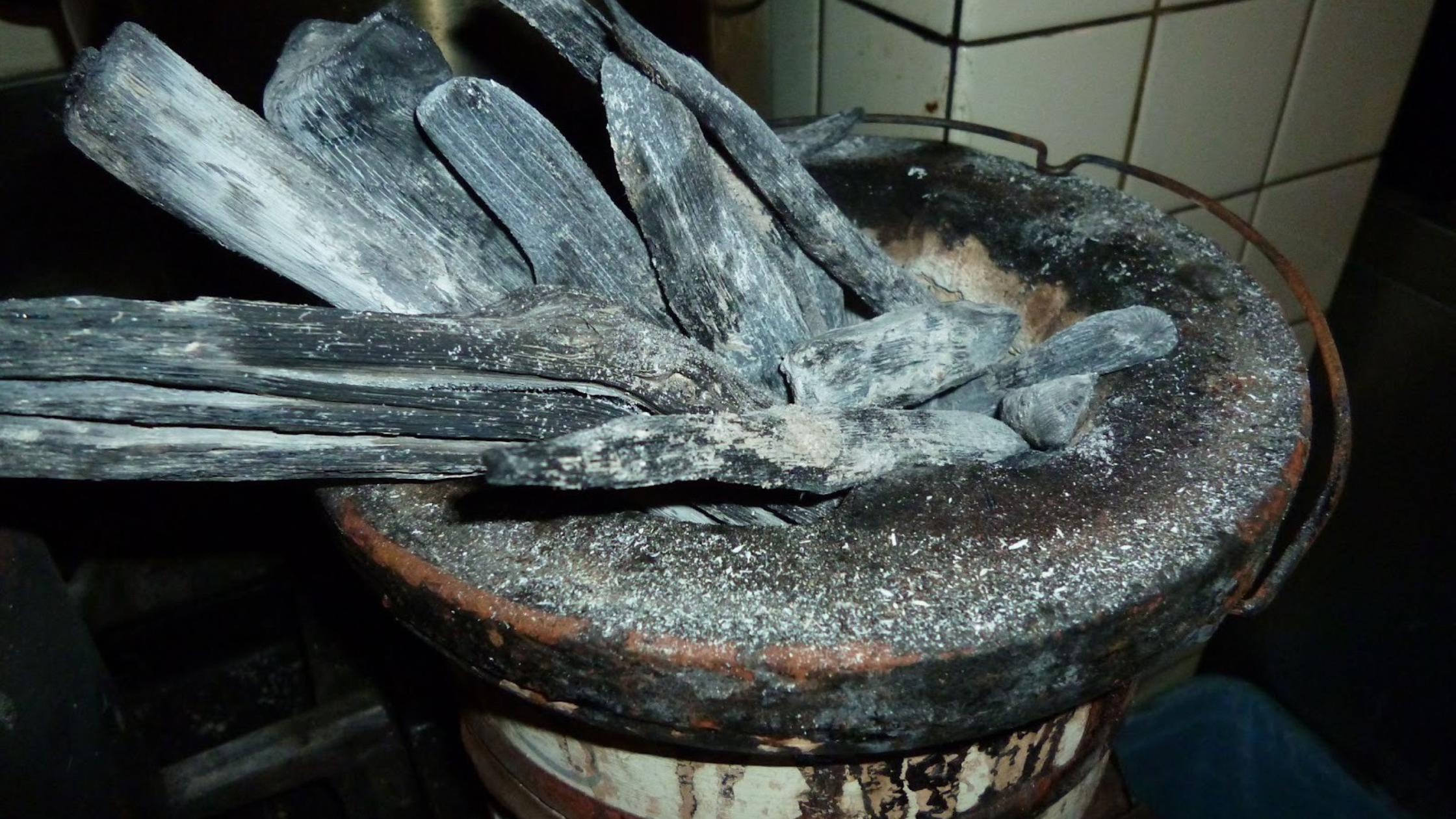
charcoal, and get the full sensory immersion. Tables are better for larger groups or those wanting more private conversation.
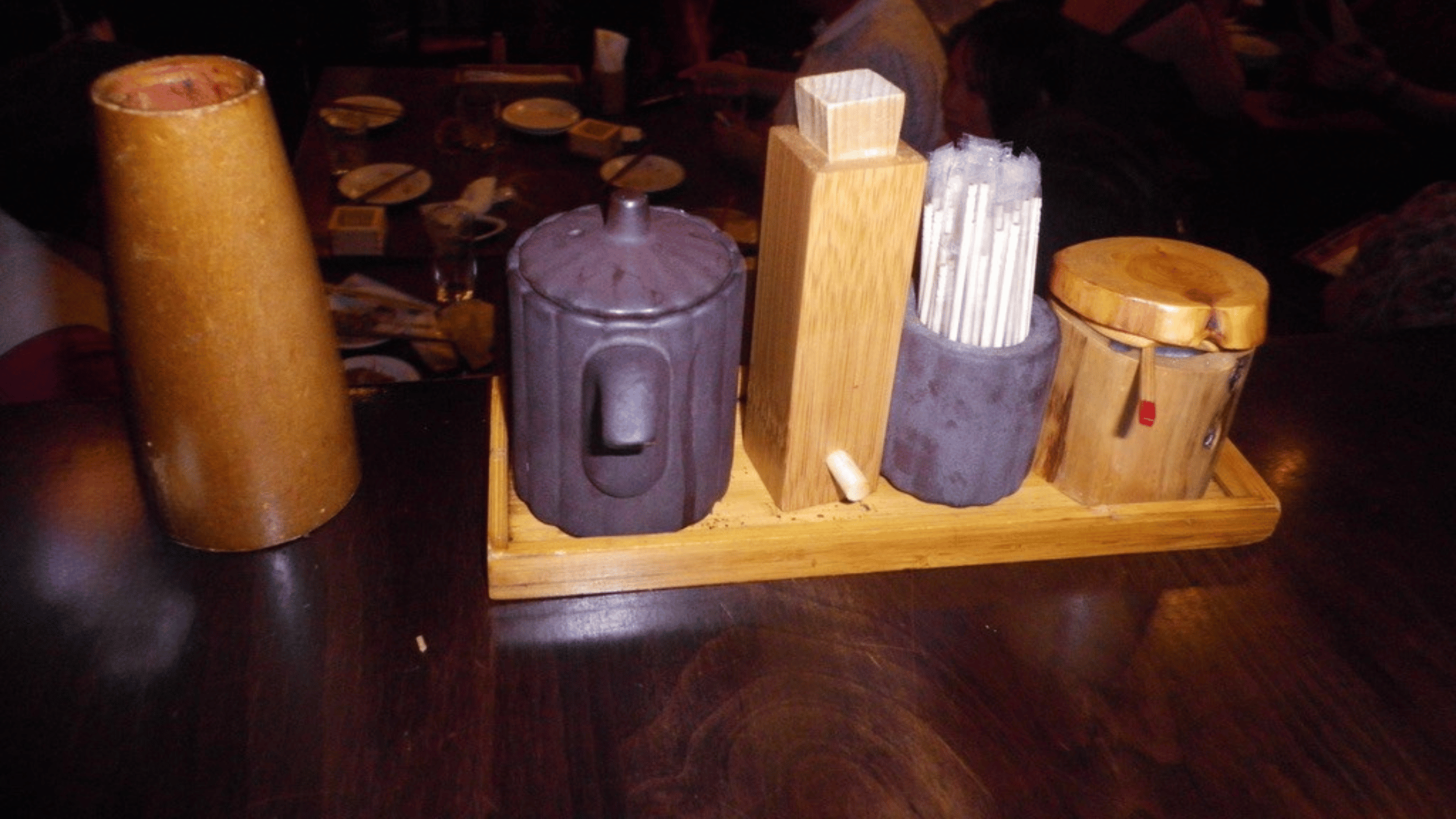
The tall Container or metal pot
This is for used skewer sticks and bones. As you finish each skewer, slide the meat off with your teeth or chopsticks, then place the empty
bamboo stick in this container. Never leave used skewers on your plate or the table.
Spice
There is a small bottle contains one-spice powder Ichimi Togarashi (made from pure, ground chili pepper). Sprinkle it on your yakitori
for extra heat and complexity, but try a skewer plain first to appreciate the base flavors.
Salt
Next to the chilli powder, there is normally always a small amount of salt in a pot. Use this if you like your skewers a bit more salty than
the chef prepared! They won’t take any offence.
Typically you heap a little pile of salt and chilli onto your plate, and then dip or sprinkle on the skewers as needed.
If you're new to yakitori, begin with these crowd-pleasers.
 Momo
(Chicken Thigh)
Momo
(Chicken Thigh)
The most popular cut, juicy and flavorful. Order this first to establish your baseline.
 Negima
(Chicken and Shallot)
Negima
(Chicken and Shallot)
Alternating pieces of chicken thigh and shallot. The sweetness of the grilled shallot perfectly complements the savory chicken.
 Tsukune
(Chicken Meatballs)
Tsukune
(Chicken Meatballs)
Ground chicken shaped around the skewer, often served with a raw egg yolk for dipping. Break the yolk and dip each bite for creamy
richness.
 Tebasaki
(Chicken Wings)
Tebasaki
(Chicken Wings)
Crispy skin, tender meat, and familiar to most diners. A safe but delicious choice.
 Sasami
(Tenderloin)
Sasami
(Tenderloin)
The leanest cut. Often topped with mayo or cheese to combat the dryness of the meat. In Japan, this cut is often served rare!!!! In
Australia this isn’t permitted due to food safety regulations.
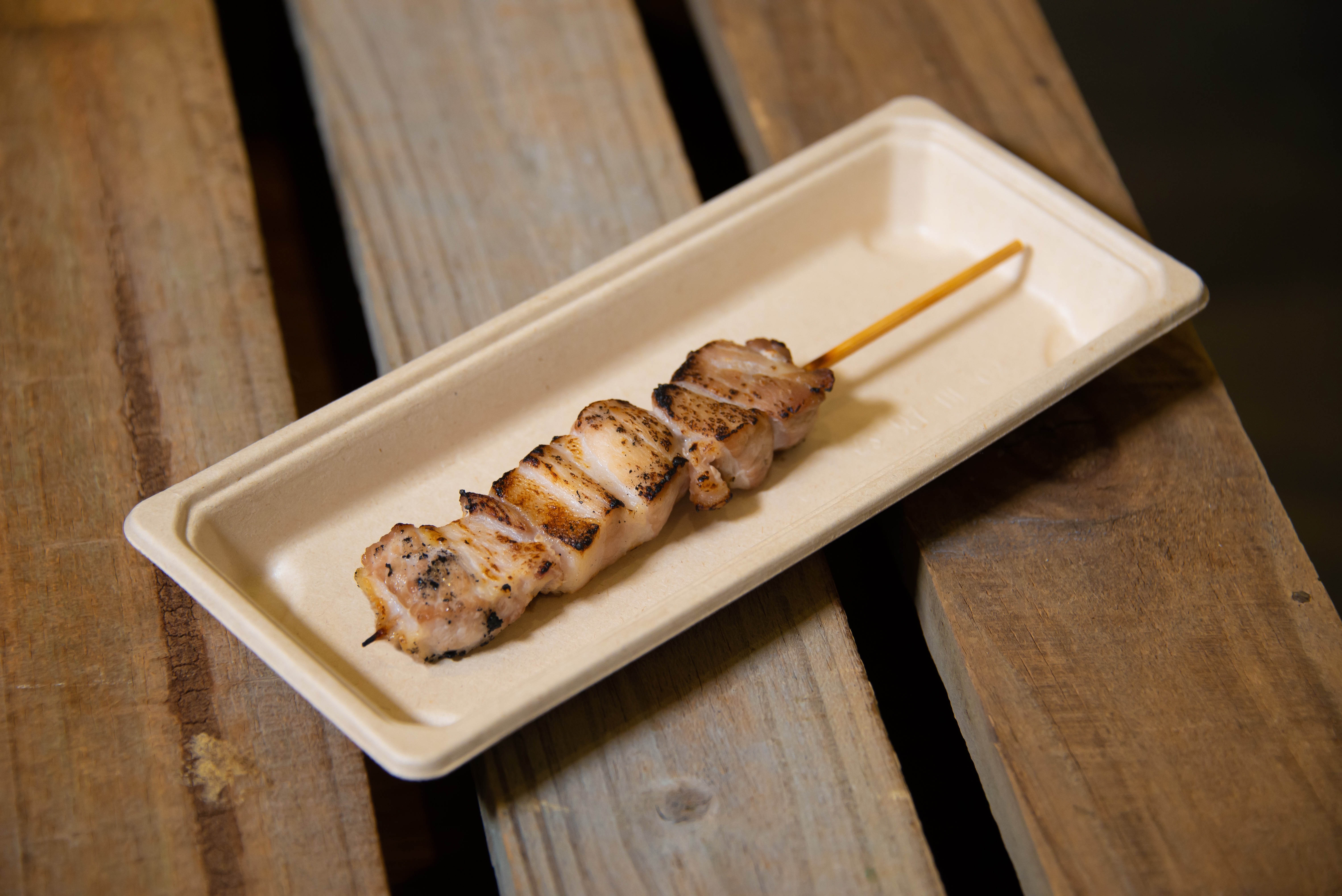
ButaBara (Pork Belly)
Melt in your mouth pork belly. The fattiness of the pork is magic over the coals. Most often cooked in salt, and then dipped in Karashi
(Japanese Mustard)
Unlike Western restaurants where everything arrives at once, yakitori is meant to be ordered in rounds. There’s no “entree” or “main” as such.
Round 1: Order 3-4 skewers of classics to start. Also make sure you order some nibbles, if the grill is busy, it might take a while for the skewers to arrive. Edamame beans or some cold sides are a popular choice.
Round 2: Once you've finished about half of your first round, order your next selection. This ensures fresh, hot skewers throughout your meal.
Round 3+: Continue ordering in small batches. Feel free to reorder favorites or try adventurous cuts.
This pacing keeps skewers coming fresh off the grill and prevents waste from over-ordering.
You'll need to specify whether you want each skewer prepared with:
Shio (Salt): Best for appreciating the pure chicken flavor and smokiness from the charcoal. Recommended for: momo, sasami (tenderloin), kawa (skin), and most offal.
Tare (Sweet Soy Glaze): The caramelized sauce adds depth and sweetness. Recommended for: tsukune, negima, and fattier cuts that balance the richness.
Pro tip: Order the same cut both ways to compare. Many regulars prefer shio for their first skewer to taste the chicken's quality, then switch to tare for variety.
Some restaurants won’t give you the choice to select tare or shio, it will be chef’s choice!
Once comfortable, explore these distinctive cuts.

Kawa (Chicken Skin)
Grilled until crispy and golden. Pure indulgence for those who love texture.
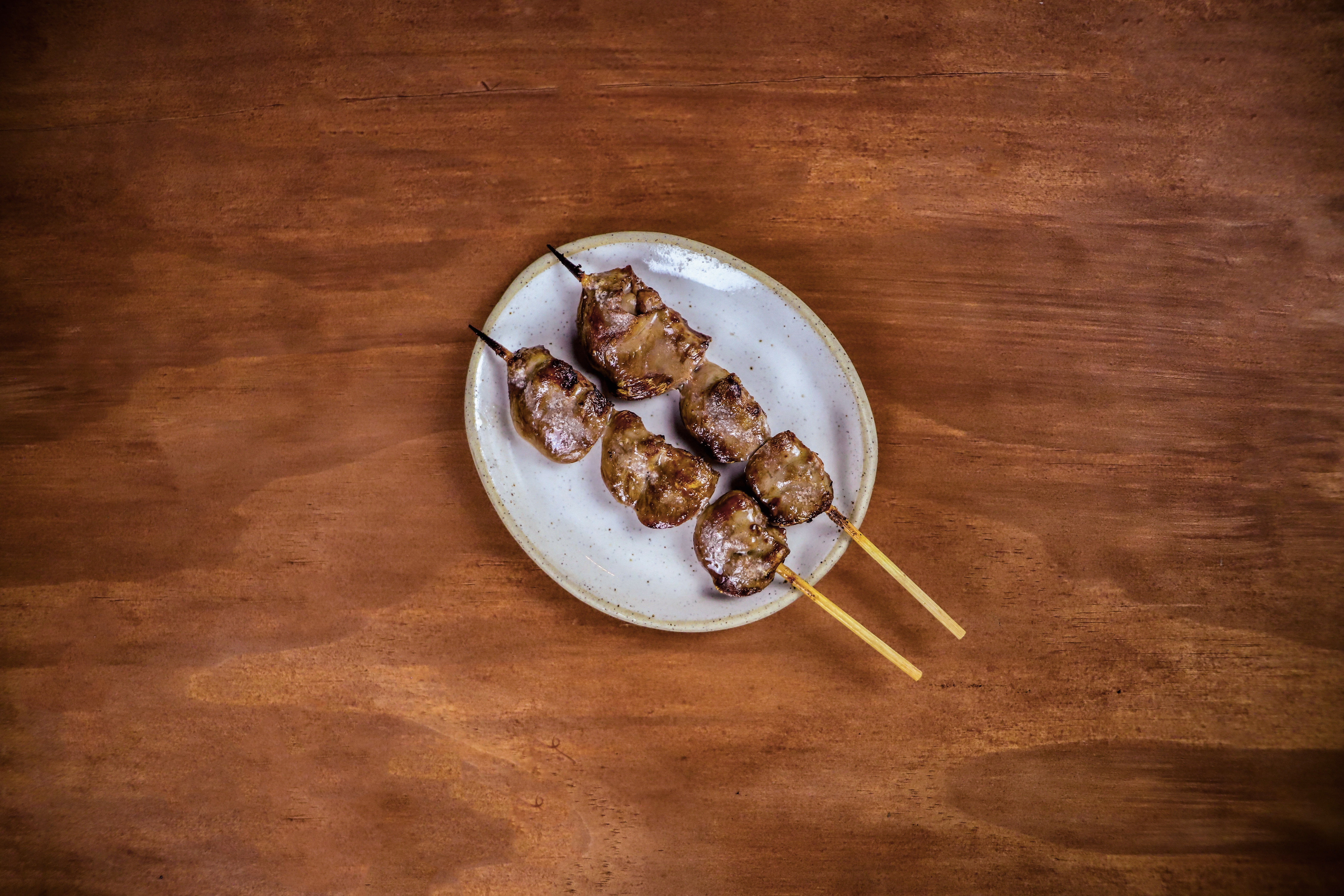
Hatsu (Heart)
Firm, slightly chewy texture with a clean, mild taste. Less intimidating than you'd think.
 Reba
(Liver)
Reba
(Liver)
Creamy and rich. Order it lightly cooked for the best texture.
 Nankotsu
(Cartilage)
Nankotsu
(Cartilage)
Crunchy and addictive. Often found in tsukune or served alone.
 Sunagimo
(Gizzard)
Sunagimo
(Gizzard)
An organ unique to birds. Crunchy and delicious. A textural experience.
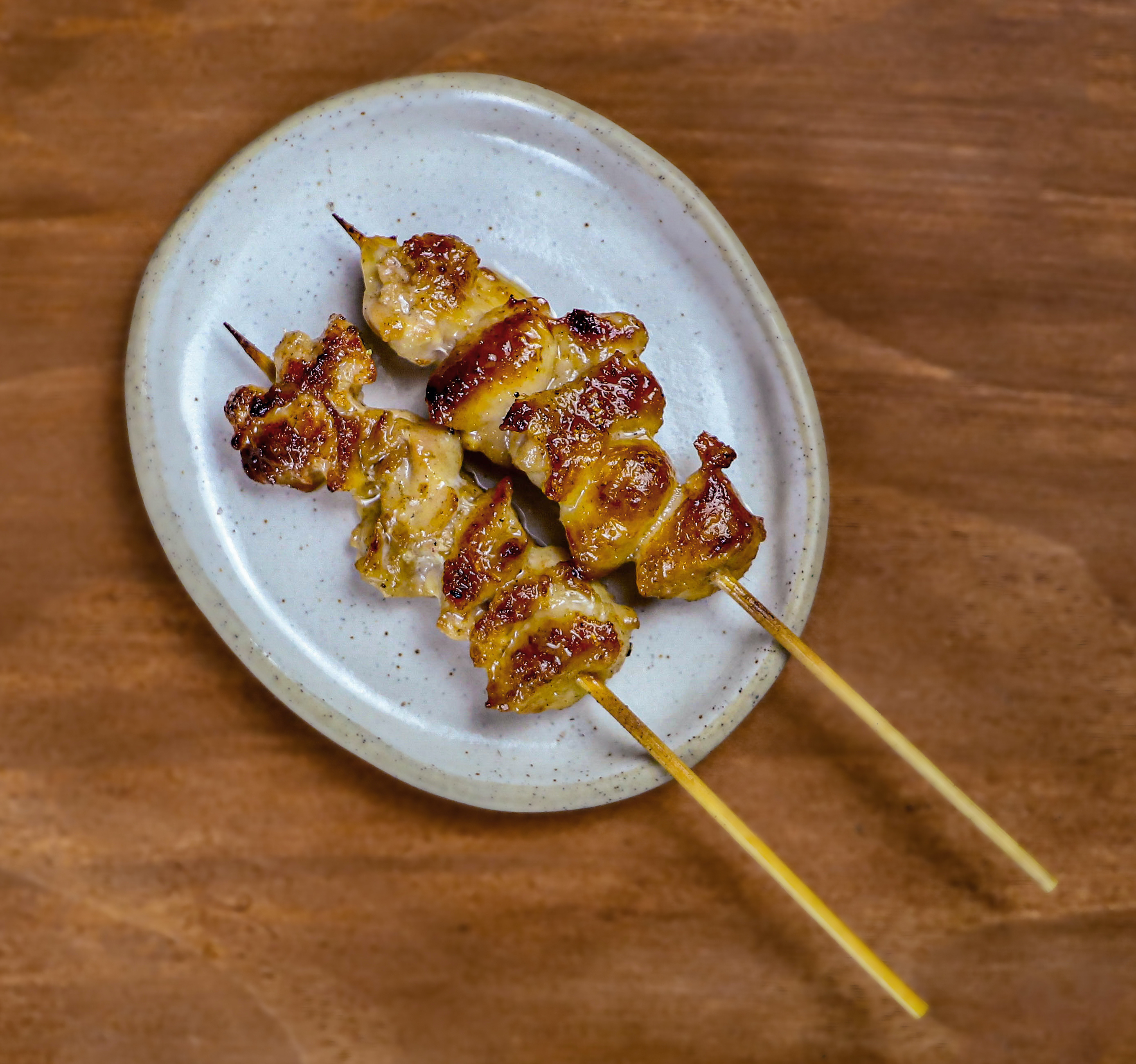
Bonjiri (Tail): The fattiest, most flavorful part of the chicken. Absolutely delicious but rich. Often served with lemon to
cut through the fattiness. Also known as the Parson’s Nose.
Yakitori pairs beautifully with:
Beer: Ice-cold Japanese lager (Asahi, Kirin, Sapporo) is the classic choice. The carbonation cuts through the richness.
Highball: Whisky and soda is increasingly popular with yakitori. Refreshing and not too heavy.
Sake: Choose a crisp, dry sake rather than sweet varieties. Ask your server for recommendations.
Shochu: A distilled spirit served on the rocks or mixed. More potent than sake.
Order drinks before or with your first round of skewers. It's common to pace your drinking with your food.
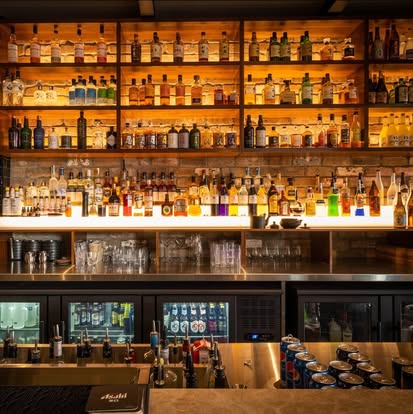
Most yakitori restaurants can accommodate some preferences.
Ask about:
At higher-end establishments, you can request omakase, where the chef selects skewers for you. This typically starts around 8-10 skewers and shows trust in the chef's expertise. Mention any strong dislikes upfront.
When dining with 4+ people, consider ordering several of the same skewer so everyone can try it. This makes sharing easier and ensures even
grilling.
Yakitori pricing is per skewer, typically ranging from $3-8 depending on the cut and restaurant quality. Premium items like thigh meat and offal cuts cost more than vegetables or wings.
Your bill will list each skewer type and quantity. Some restaurants use a paper ordering system where you mark quantities on a form; others take verbal orders. Either way, tracking adds up quickly when ordering multiple rounds, so keep a mental note if you're on a budget.
Tipping: In traditional Japanese establishments, tipping isn't expected and can even cause confusion. However, many Japanese restaurants in Brisbane follow Australian tipping customs, so check the establishment's preference or ask your server.
The beauty of yakitori lies in its simplicity and the ritual of the experience. Don't feel pressured to become an instant expert—even in Japan, people have their preferred cuts and ordering styles. The key is to:
Still feeling uncertain? Here's a foolproof first order for two people:
Round 1:
This gives you variety without overwhelming you, showcases both seasoning styles, and totals 7 skewers (3-4 per person for the first round). Order drinks—beer or highball work perfectly.
Round 2 (order when you're halfway through Round 1):
Round 3: Order more favourites, or order a rice dish to finish the meal Japanese style.
You will find Japanese diners won’t eat too many carbohydrates during their meal. They believe that it will fill them up and won’t be able
to drink much beer! Instead, they will order a rice/ carb dish at the end of the meal. So if you see Japanese customers eating rice, this
means they are most likely on their way home.
Yaki Onigiri and Chicken Curry are crowd favourites!
.jpg)
.jpg)
Ready to put this guide into practice? Bird's Nest brings authentic yakitori traditions to Brisbane, with expertly grilled skewers, quality ingredients, and a welcoming atmosphere perfect for both first-timers and yakitori enthusiasts. Whether you follow this guide precisely or forge your own path through the menu, you're in for an unforgettable dining experience.
The best way to learn yakitori is simply to experience it. Armed with this knowledge, you're now ready to order with confidence, avoid common faux pas, and truly appreciate Japan's beloved skewered tradition. Kanpai!