

From Indonesian satay to Greek souvlaki, exploring how different cultures have perfected the art of grilled chicken on a stick.
There's something universally appealing about grilled chicken on a skewer. Across continents and cultures, people have independently arrived at the same delicious conclusion: threading marinated chicken onto sticks and cooking it over fire creates something special. Yet each culture's approach tells a unique story—of local ingredients, cooking traditions, and the flavours that define a place.
As someone who's spent thirteen years perfecting yakitori at Bird's Nest, I've developed a deep appreciation for how different cultures approach this seemingly simple concept. Each tradition brings its own philosophy, technique, and soul to the grill.
Let's take a journey around the world to celebrate the beautiful diversity of chicken skewers.
Walk through the night markets of Jakarta, Bangkok, or Kuala Lumpur and the aroma of satay fills the air. Small, thin slices of chicken are threaded onto bamboo skewers and grilled over charcoal, creating a smoky, charred exterior that’s utterly addictive.
What makes satay distinctive is the marinade—typically a complex blend of turmeric, lemongrass, garlic, and other aromatics that vary by region. The chicken absorbs these flavours deeply, creating layers of taste in every bite. But the real magic comes with the accompaniment. Satay is almost always served with a rich, creamy peanut sauce that balances sweet, savoury, and spicy notes beautifully.
Different countries have their own interpretations. Indonesian satay often leans sweeter, using kecap manis (sweet soy sauce) in the marinade. Malaysian satay tends to feature more complex spice blends, while Thai satay frequently incorporates coconut milk for tenderness and richness. Each version reflects the flavour profile and culinary traditions of its home country.
Satay represents the democratic spirit of street food—affordable, widely available, and loved by everyone from office workers grabbing a quick lunch to families enjoying an evening out. It’s social food, meant to be shared, often eaten as an appetiser or snack rather than a main course.
In Greece, souvlaki is more than food—it’s a cultural institution. Whether enjoyed at a beachside taverna or grabbed from a street vendor after a night out, souvlaki connects Greeks to their culinary heritage in the most delicious way possible.
Traditional Greek souvlaki features chunks of chicken (or pork, or lamb) marinated in olive oil, lemon juice, garlic, and oregano—simple ingredients that highlight the quality of the meat and the brightness of Mediterranean flavours. The marinade is purposefully straightforward, allowing the natural taste of good chicken and the char from the grill to shine through.
Souvlaki is typically grilled over charcoal or wood, creating that essential smoky flavour and slightly crisp exterior. It’s often served in pita bread with tomatoes, onions, and tzatziki—a cooling yogurt sauce with cucumber and garlic that perfectly balances the richness of the grilled meat.
What strikes me about souvlaki is its confidence in simplicity. There’s no complex spice blend or elaborate preparation. Just quality chicken, a handful of classic Mediterranean ingredients, and proper grilling technique. It’s a reminder that great food doesn’t need to be complicated—it needs to be executed well.
The communal aspect of souvlaki is also beautiful. It’s often enjoyed at long tables with family and friends, accompanied by Greek salad, chips, and plenty of conversation. Food as the centre of social connection—a philosophy that resonates across cultures.
If you'd like, I can also help you craft the transition section into Yakitori, which could be the emotional centre of the article since it connects directly to your experience at Bird’s Nest. That part could really elevate the whole piece.
Indian chicken tikka takes the skewer in a completely different direction—bold, vibrant, and unapologetically flavourful. This is chicken that announces itself before you even see it, with its distinctive red-orange colour from the yogurt-and-spice marinade.
The marinade is where chicken tikka reveals its complexity. Yogurt provides tenderness and tang, while a blend of spices—cumin, coriander, garam masala, turmeric, and many others—creates layers of flavour that deepen during marination. Some recipes include dozens of spices, each contributing something subtle to the final taste.
Traditionally, chicken tikka is cooked in a tandoor—a cylindrical clay oven capable of reaching extremely high temperatures. The intense heat creates a beautiful char on the outside while keeping the meat incredibly juicy inside. The yogurt marinade helps protect the chicken from drying out, even under such fierce heat.
What fascinates me about chicken tikka is how the marinade becomes part of the chicken rather than just a coating. Hours of marination allow the yogurt and spices to penetrate deeply, transforming the meat completely. When done well, every bite delivers the full complexity of the spice blend.
Chicken tikka is often served with naan bread, rice, and various chutneys, creating a complete flavour experience that balances rich, spiced meat with cooling accompaniments. It’s a perfect example of how a marinade can transform chicken into something extraordinary.
.
Filipino chicken inasal might be less known internationally, but it’s a beloved tradition in the Philippines, particularly in the Visayas region. What sets inasal apart is its distinctive marinade featuring calamansi (Philippine lime), lemongrass, and annatto oil, which gives the chicken its characteristic yellow-orange colour.
The marinade is bright and citrus-forward, with calamansi providing a tart, slightly floral acidity that’s different from regular lemon or lime. Lemongrass adds a subtle herbal note, while annatto contributes earthy undertones and that beautiful golden hue. Some versions also include ginger, garlic, and vinegar, creating a complex flavour profile that’s uniquely Filipino.
Inasal is typically basted repeatedly during grilling with the remaining marinade, building layers of flavour and creating a slightly sticky, caramelised exterior. The chicken is often served with rice, and diners frequently dip each bite into a mixture of vinegar, soy sauce, and calamansi—adding even more brightness to an already flavourful dish.
What I love about inasal is how it showcases ingredients specific to its region. Calamansi and lemongrass aren’t just flavourings—they’re expressions of Philippine terroir, ingredients that grow abundantly in the islands and have been used in local cooking for generations. It’s a reminder that great food is often deeply connected to place.
Shish taouk brings Middle Eastern sophistication to the skewer. This Lebanese specialty features chicken marinated in yogurt, lemon, and garlic—a simple but effective combination that tenderises the meat while adding bright, tangy flavours.
The yogurt marinade is central to shish taouk’s appeal. The lactic acid gently breaks down proteins, resulting in exceptionally tender chicken, while the yogurt itself adds richness and helps the meat stay moist during grilling. Lemon provides freshness and acidity, while garlic adds depth and punch. Some versions include tomato paste for colour and a hint of sweetness.
Shish taouk is typically grilled over charcoal, adding that essential smoky dimension. The high heat creates a lightly charred exterior while the yogurt marinade keeps the interior juicy. It’s often served in pita bread with garlic sauce (toum), pickles, and vegetables—a combination that has become popular around the world.
What strikes me about shish taouk is its restraint. The flavour profile is focused and deliberate—yogurt, lemon, garlic, and smoke. Nothing competes for attention. Each element has a clear purpose, working together to highlight the chicken rather than mask it. It’s sophisticated in its simplicity.
Like many skewer traditions, shish taouk is social food, often enjoyed as part of a larger mezze spread where multiple dishes are shared. It’s about gathering, conversation, and the simple pleasure of good food enjoyed together.
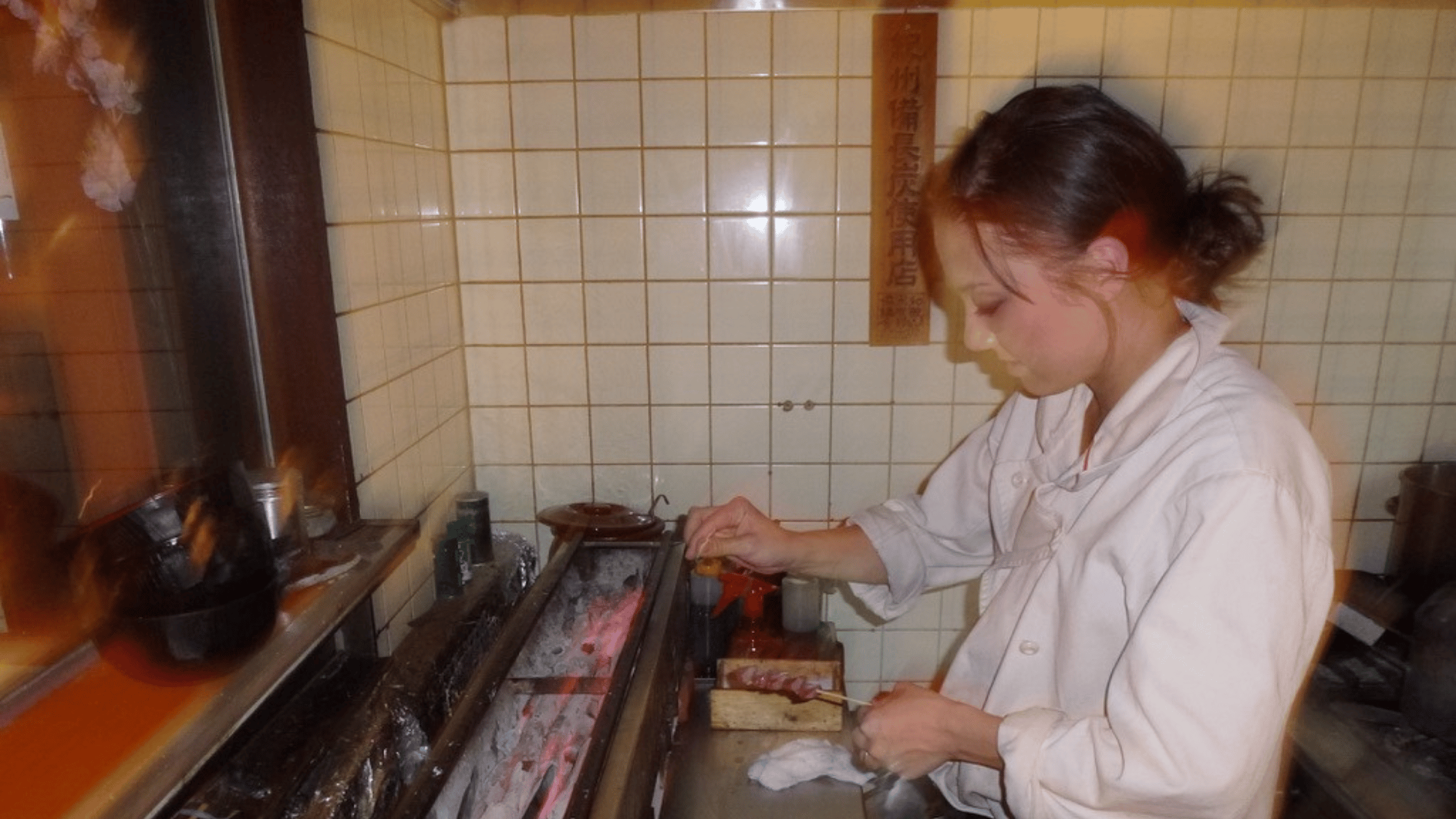
And then there's yakitori—the tradition I know most intimately after thirteen years of grilling over binchotan charcoal. Yakitori represents a different philosophy entirely, one rooted in Japanese culinary values: respect for ingredients, precision in technique, and the pursuit of perfection through repetition.
Where other skewer traditions rely on bold marinades and complex spices, yakitori takes the opposite approach. The chicken is seasoned simply—with salt (shio) or a sweet-savory sauce (tare)—allowing the natural flavour of quality chicken and the smoke from premium charcoal to be the stars.
But yakitori's simplicity is deceptive. What appears straightforward requires immense skill and knowledge. Different cuts of chicken—thigh, breast, skin, liver, heart—each demand specific grilling techniques. The distance from the charcoal, the timing of each turn, the moment to apply tare—these details separate good yakitori from exceptional yakitori.
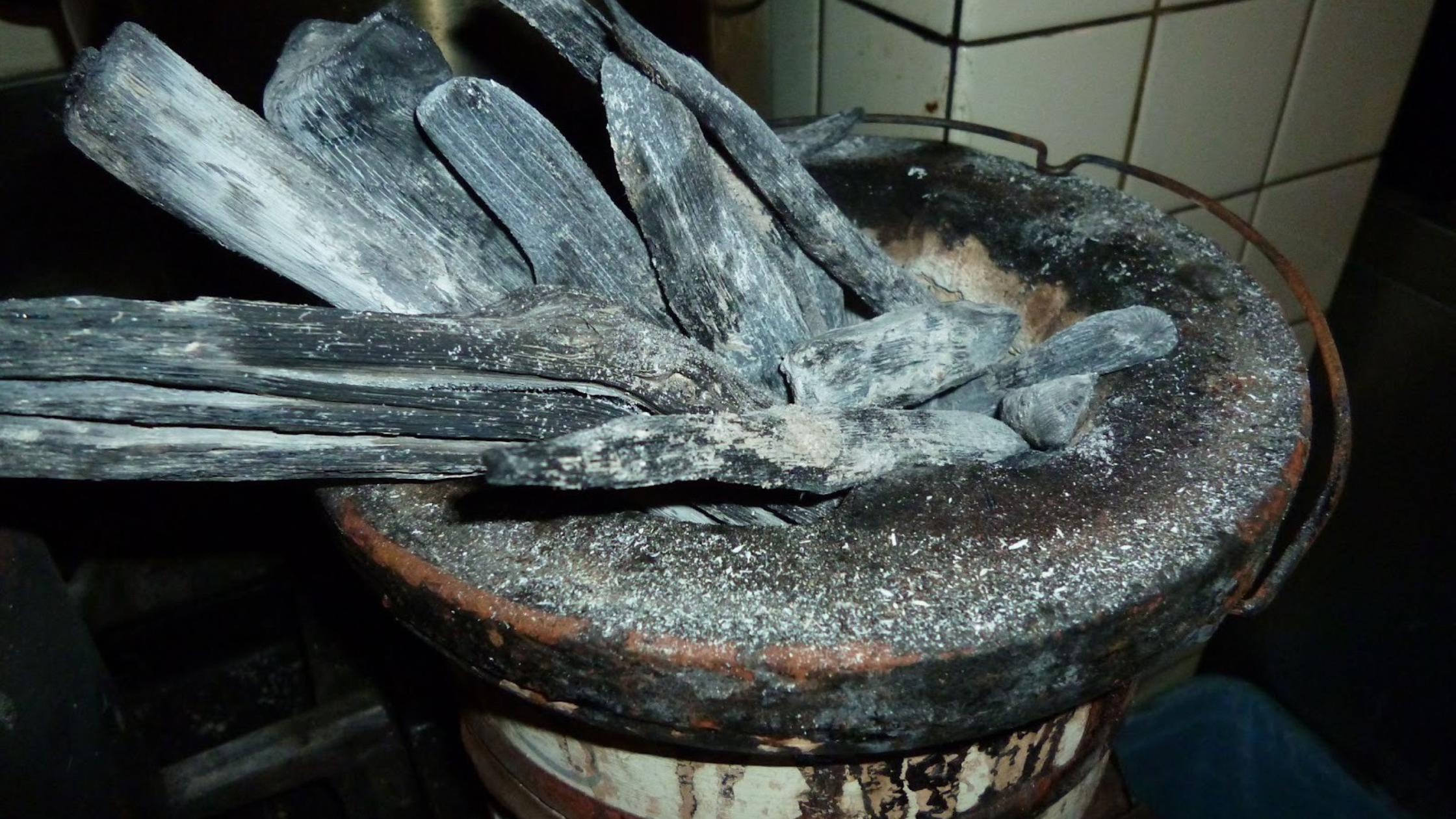
The charcoal itself is crucial. Binchotan, the premium white charcoal used in traditional yakitori, burns at approximately 1000 degrees Celsius, providing intense, even heat without producing flame or heavy smoke. This extreme temperature sears the exterior instantly, locking in moisture while creating a beautiful char. It's why properly grilled yakitori has that perfect textural contrast—crispy outside, juicy inside.
Yakitori celebrates the whole chicken in a way few other cuisines do. While many traditions focus on breast or thigh meat, yakitori offers everything from tender momo (thigh) to crispy kawa (skin) to rich, creamy reba (liver). Each cut is treated as worthy of attention, each requiring its own technique to reveal its best qualities.
The experience of eating yakitori is also distinctive. It's typically enjoyed in rounds—a few skewers at a time, paired with drinks, allowing for conversation between courses. It's leisurely, social, contemplative. You're not rushing through a meal; you're experiencing the craft and enjoying the company.
Despite their differences, all these skewer traditions share common threads. They’re social foods, meant to be shared and enjoyed together. They showcase the magic of fire and smoke transforming simple ingredients. And they reflect the values, traditions, and ingredients of the cultures that created them.
Each tradition has been refined through generations of practice. The satay vendor in Jakarta grilling hundreds of skewers each night, the Greek grandmother preparing souvlaki for Sunday dinner, the tandoor chef in Mumbai, the Filipino cook basting inasal over glowing coals, the Lebanese grillmaster perfecting shish taouk—they’re all masters of their craft, even if their techniques differ.
Food becomes more interesting when we understand it in context. These aren’t just different ways to grill chicken; they’re expressions of culture, history, and place. The spices available, the fuel used for grilling, and the social customs around eating all shape how each tradition evolves.
If you’re curious to experience the precision and subtlety of Japanese yakitori, we’d love to welcome you to Bird’s Nest. Since 2013, we’ve been grilling over authentic binchotan charcoal in Brisbane—becoming the first in Australia to use this traditional method. Every skewer is cooked with the same attention to detail and respect for craft that defines yakitori.
Whether you’re already familiar with yakitori or discovering it for the first time, we hope you’ll appreciate the story it tells—of Japanese culinary philosophy, patient craftsmanship, and the belief that simplicity, executed well, can be extraordinary.
Come and experience the difference that tradition, technique, and 1,000-degree charcoal can make.