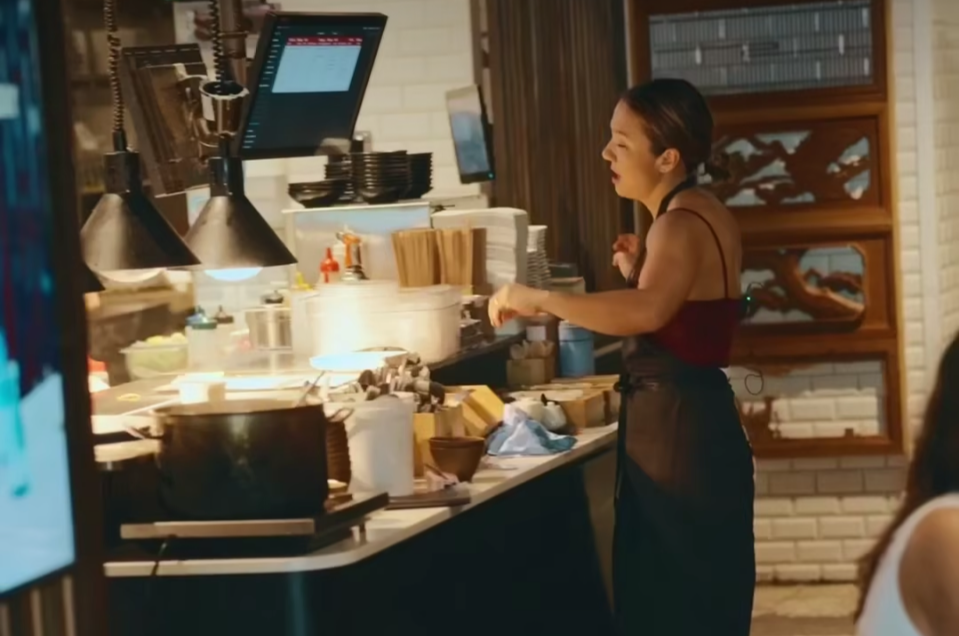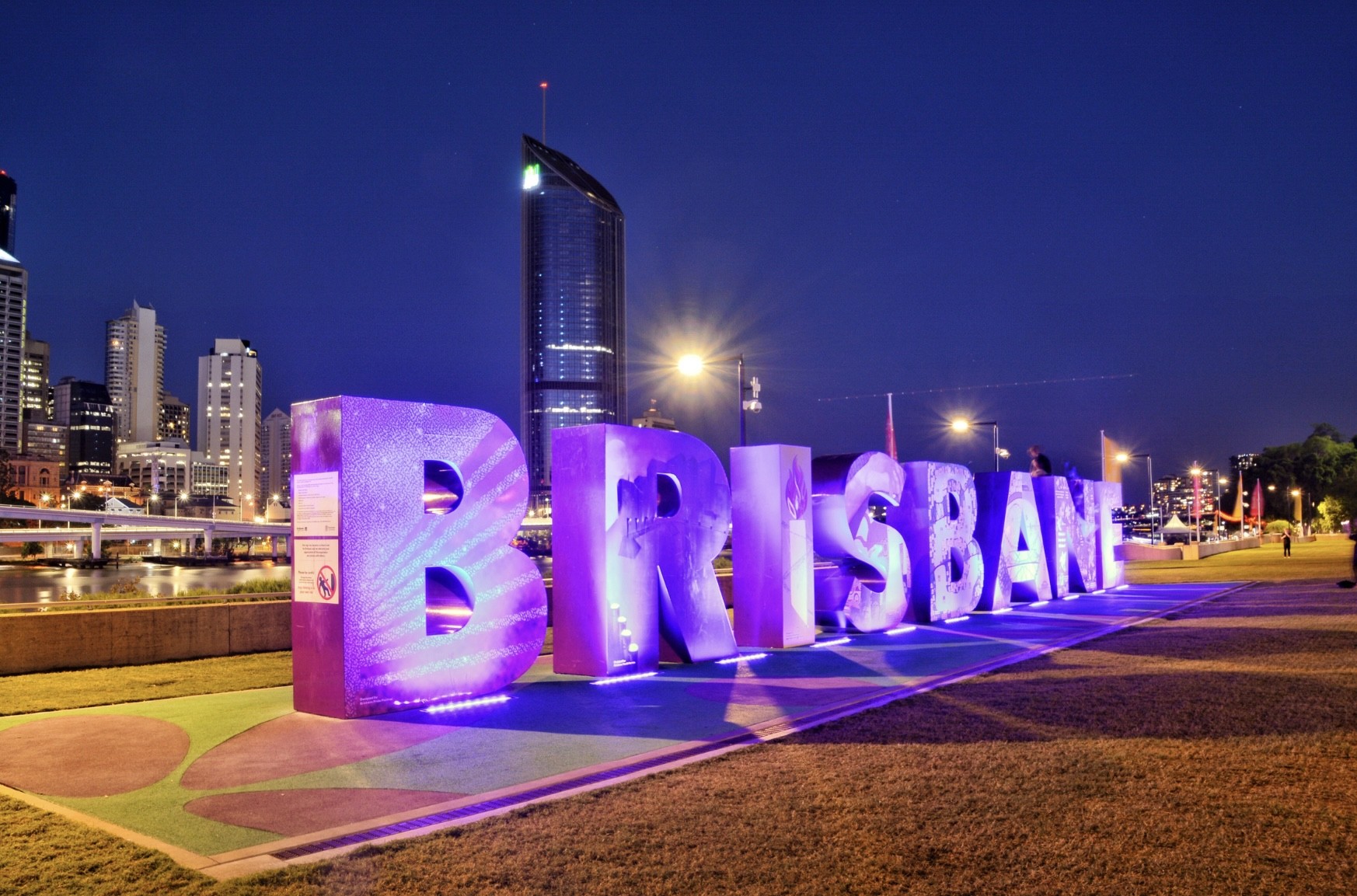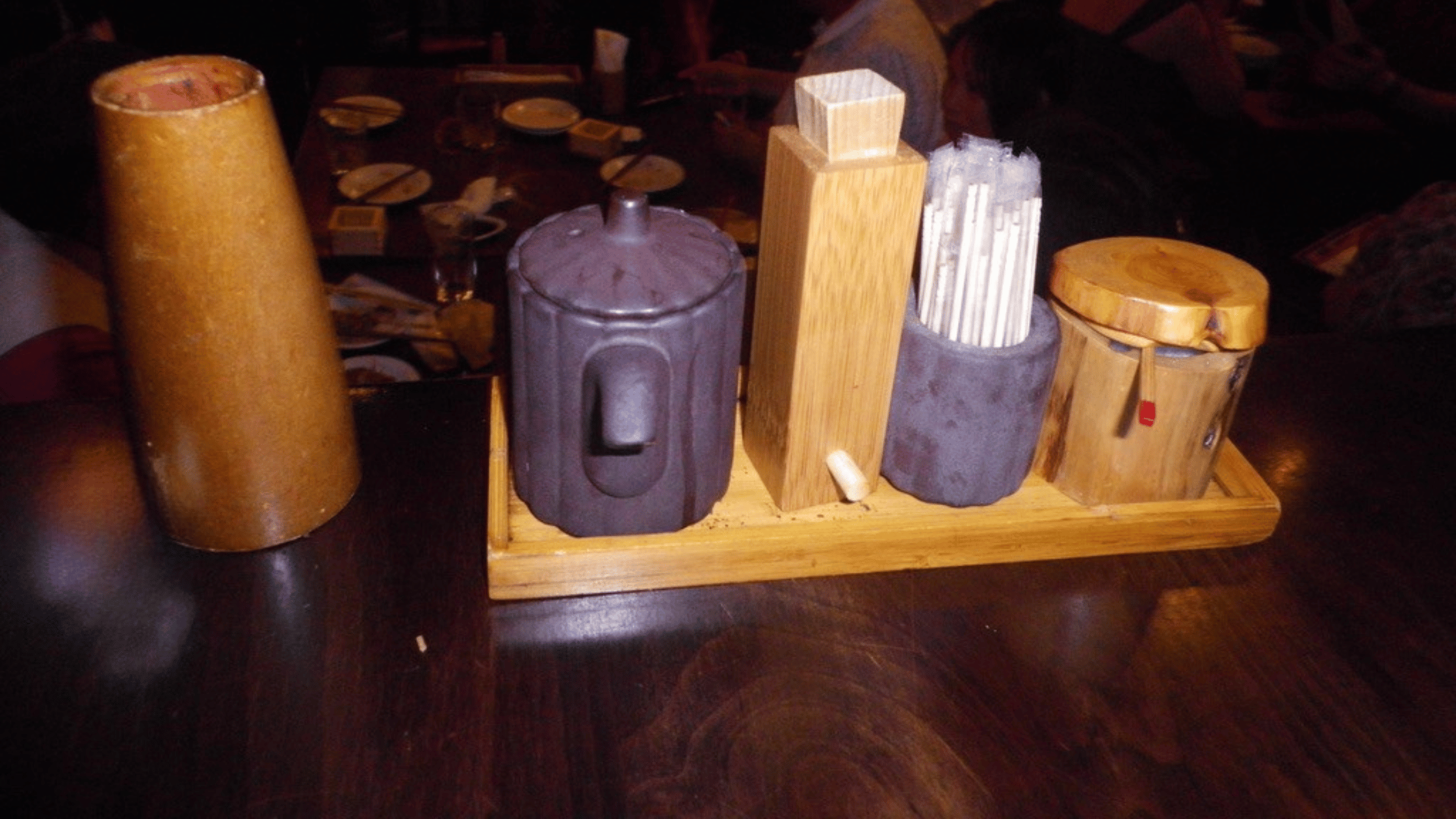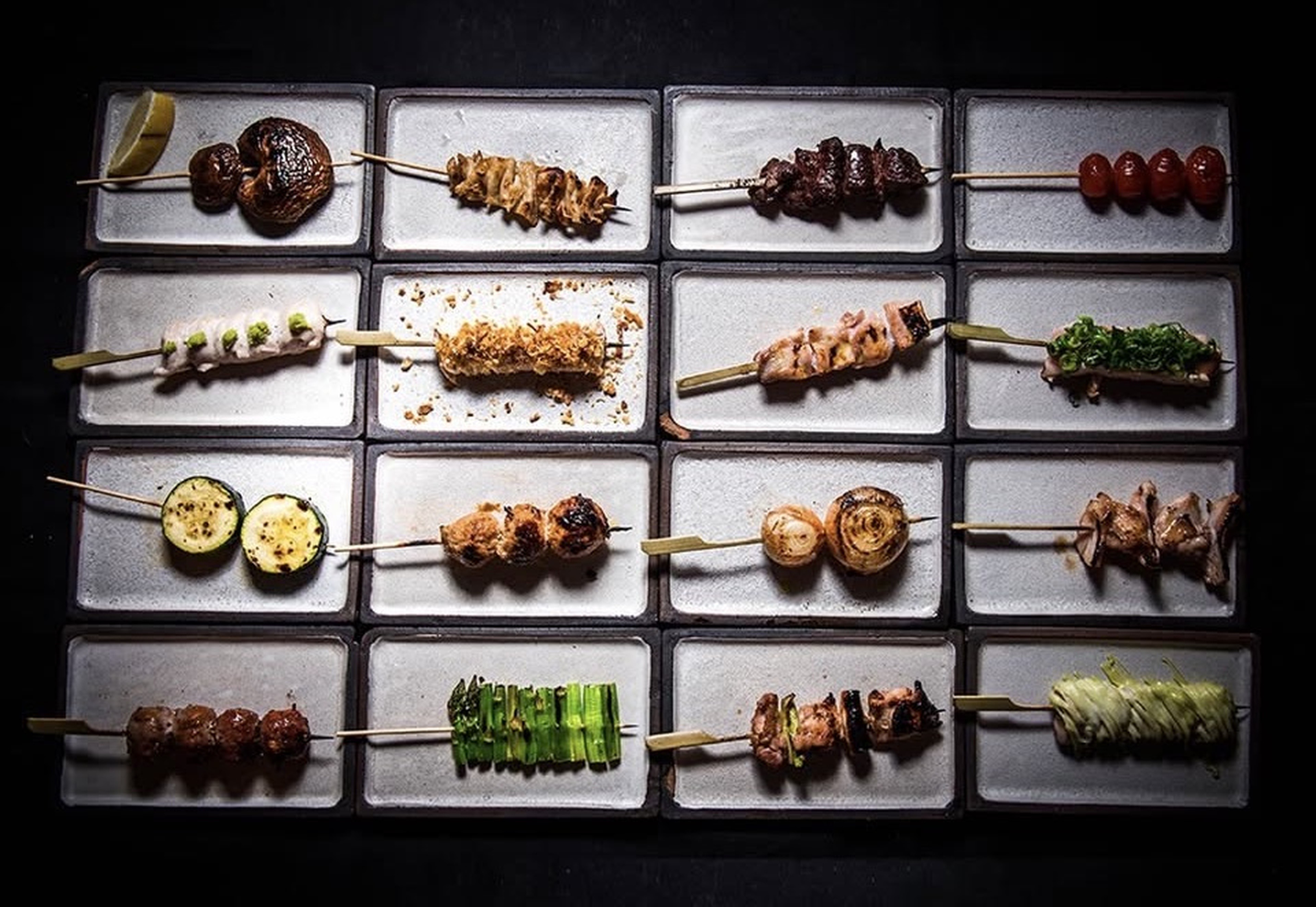


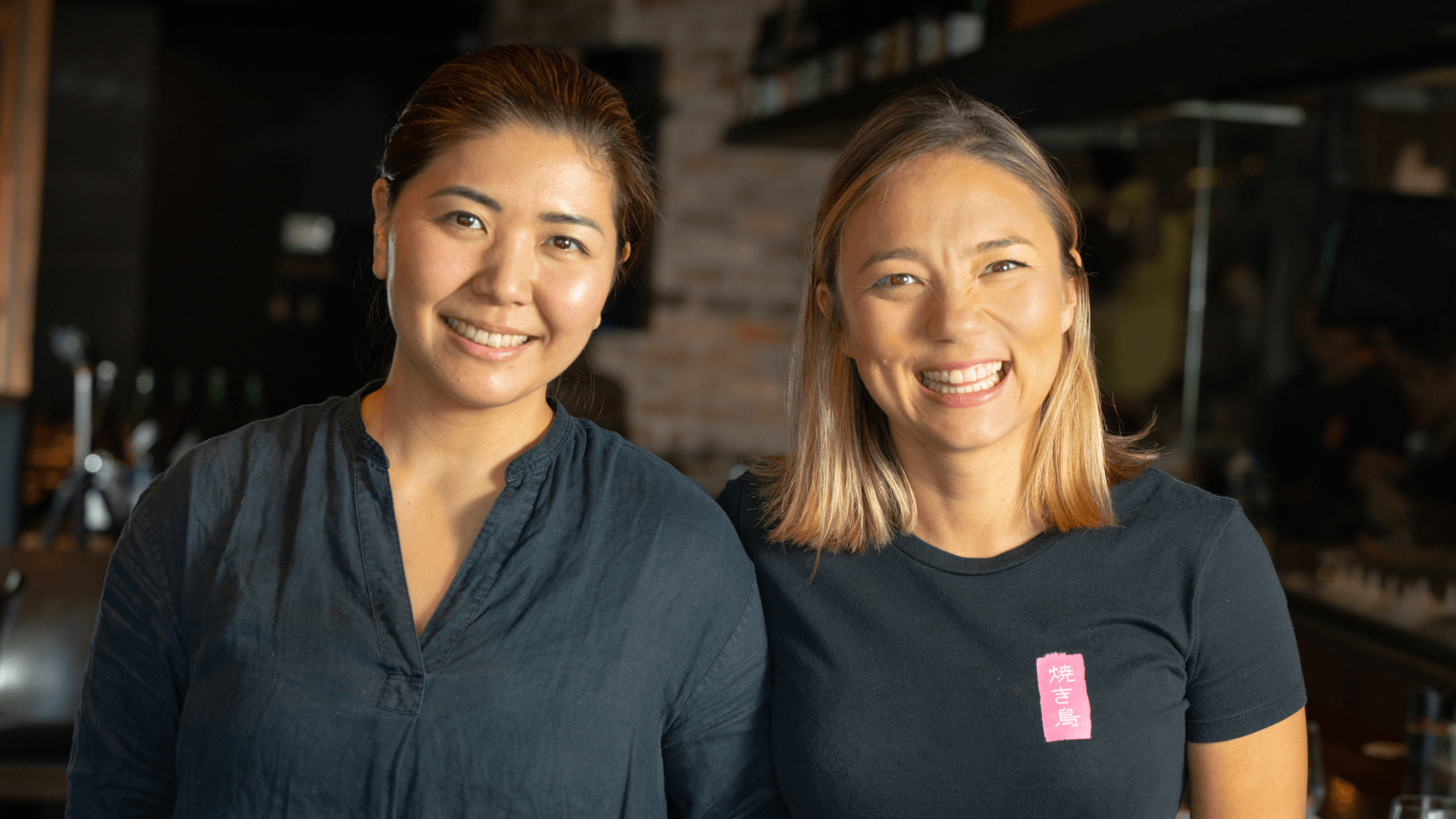
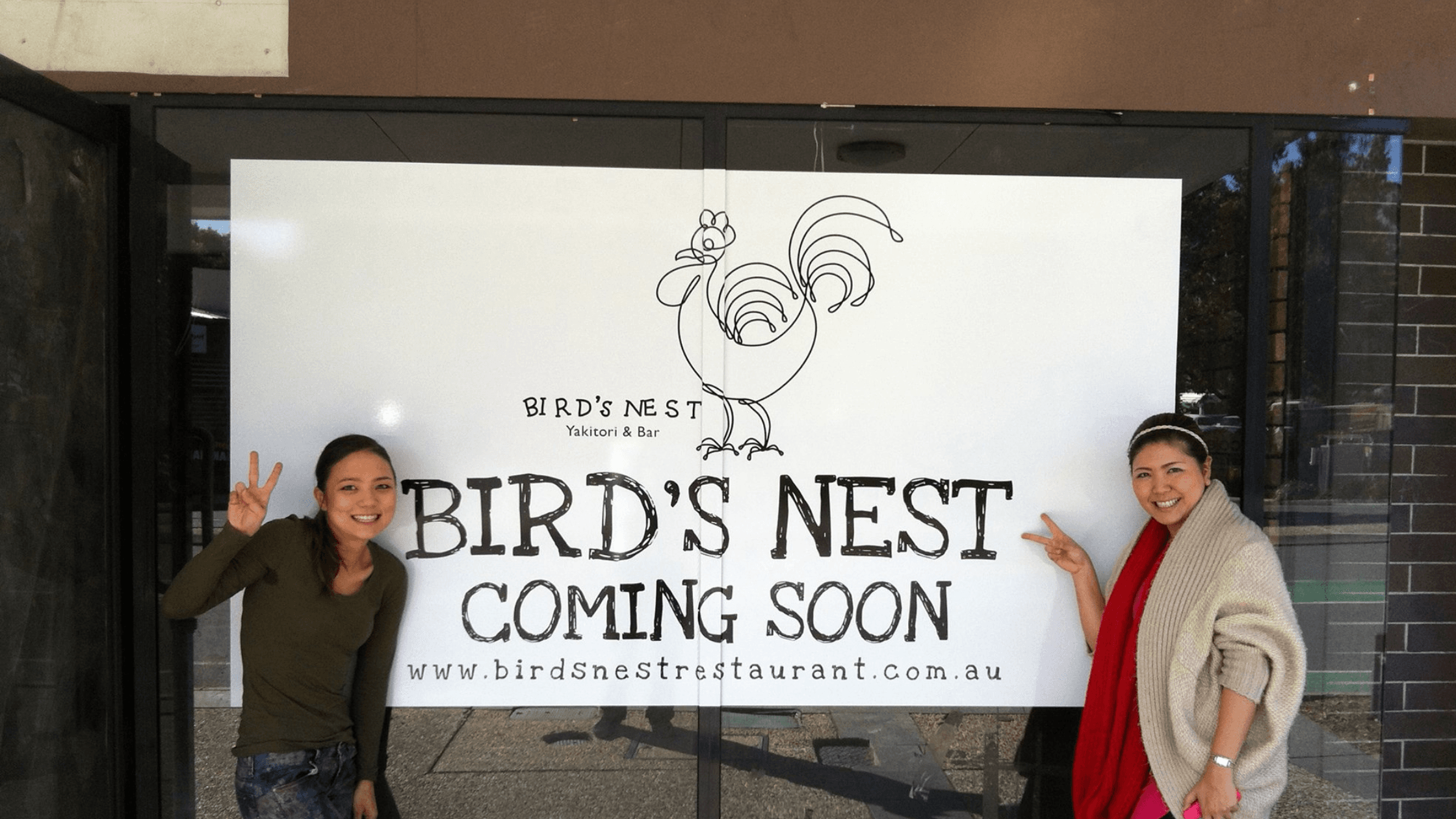
Emi and I opened Bird's Nest on Melbourne Street in West End back in August 2013, everyone told us we'd fail. Banks wouldn't lend to us. Suppliers wouldn't work with us. Friends and family warned that a partnership would never survive the pressure of running a restaurant. More fundamentally, people questioned whether Brisbane—let alone West End—was ready for authentic Japanese yakitori.
Thirteen years later, we're still here in West End. Still partners. Still grilling over the same premium binchotan charcoal we were the first to import to Australia. The location may have shifted 150 meters up the road to Edmondstone Street, but our commitment to authentic yakitori hasn't wavered an inch.
This is the story of how Bird's Nest came to West End, why we're still here, and what it's taken to survive.
In 2012, Emi and I faced a problem: we wanted to open an authentic yakitori restaurant in Brisbane, but we couldn't find a yakitori chef. We searched, we asked around, we explored every option. Nothing. If we were going to do this properly, we realized we'd have to learn ourselves.
So I took my husband and our two young kids and moved to Tokyo for three months.
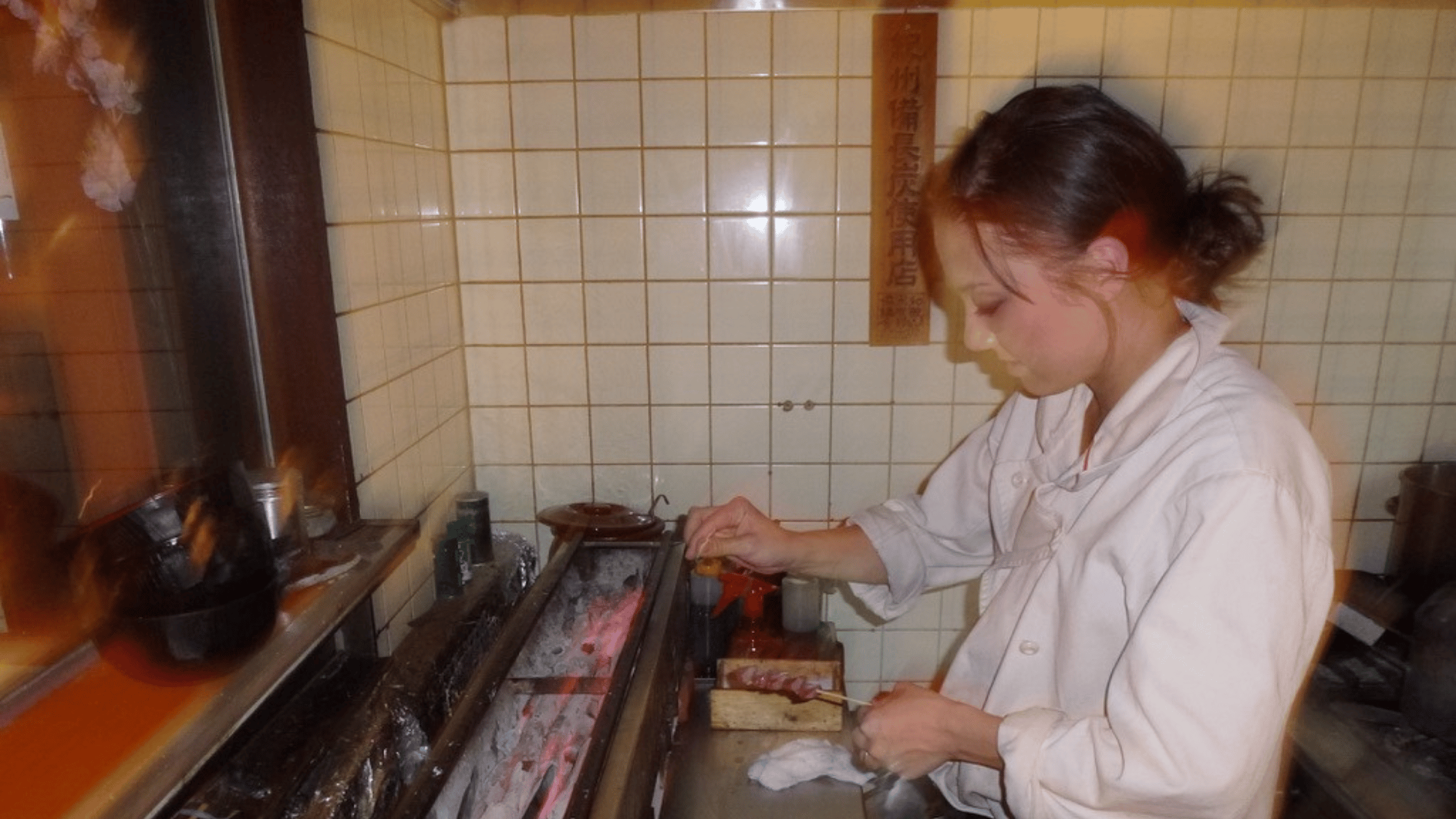
I found a chef who owned a high-end yakitori restaurant called Bora Bora in Ueno, Tokyo. He was generous enough to teach me, and for three months, I showed up before service every single day. I watched, I learned, I absorbed everything about the craft of yakitori—the cuts, the grilling technique, the importance of charcoal, the timing, the discipline.
Emi trained separately, learning a more street-style approach to yakitori. We wanted to understand the tradition from multiple angles, to really grasp what made authentic yakitori special.
Living in Tokyo, immersing ourselves in the culture, and training every day—it was intense, exhausting, and absolutely necessary.
We returned to Brisbane in late 2012 with knowledge but no restaurant. What followed was a full year of testing, refining, and preparing. We set up in my backyard and grilled constantly, perfecting our technique and recipes. We threw parties and cooked for friends, using them as our honest test audience.
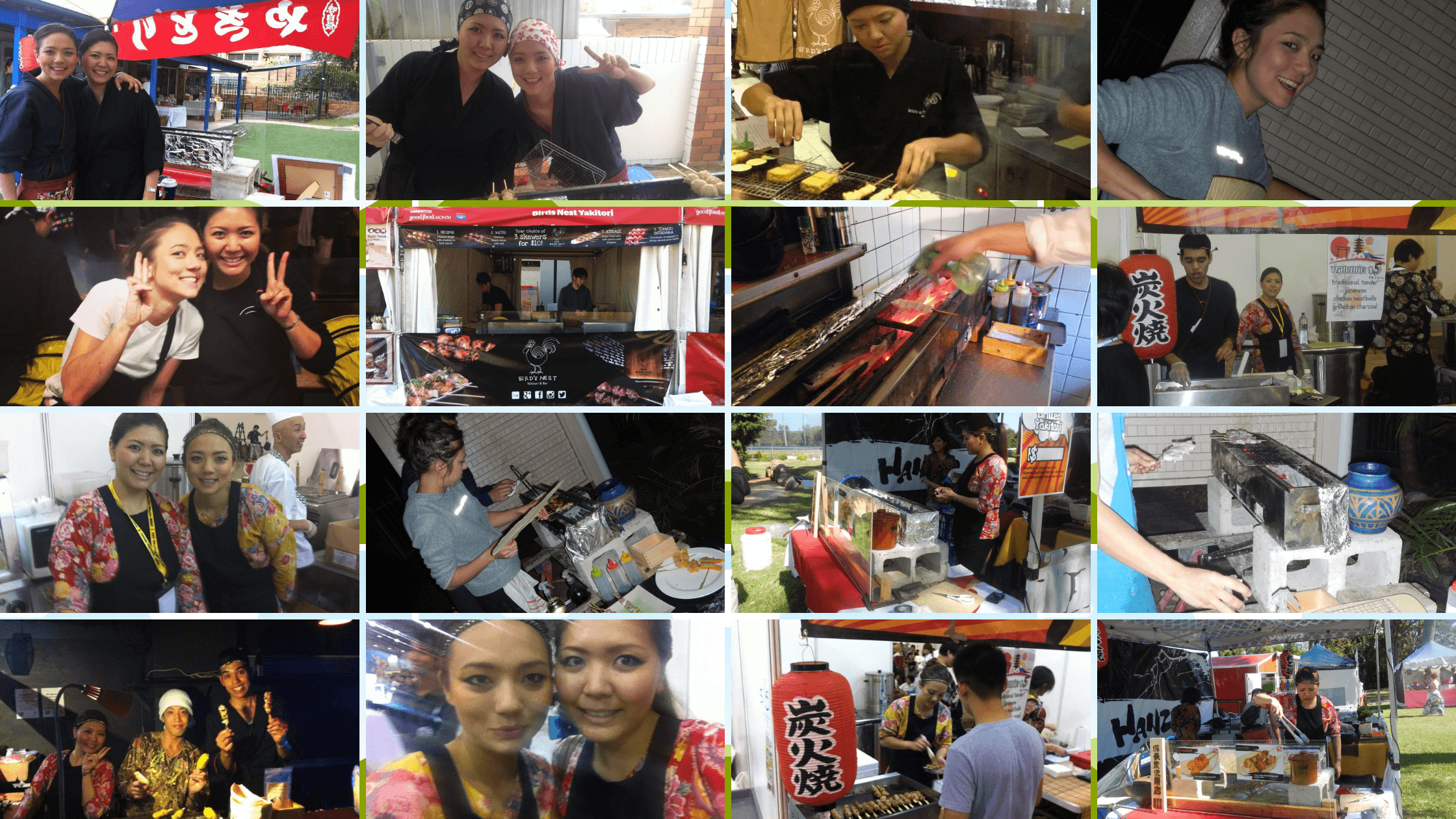
We took our yakitori to Jan Powers farmers markets at New Farm, testing Brisbane's appetite for authentic Japanese skewers. We worked school fetes. We even traveled to Singapore for a market opportunity—that turned out to be a complete disaster, but it taught us valuable lessons about what would and wouldn't work.
The markets were hard. Really hard. But they shaped our understanding of how to connect with Australian diners, how to explain what yakitori
was, and how to deliver consistent quality under challenging conditions.
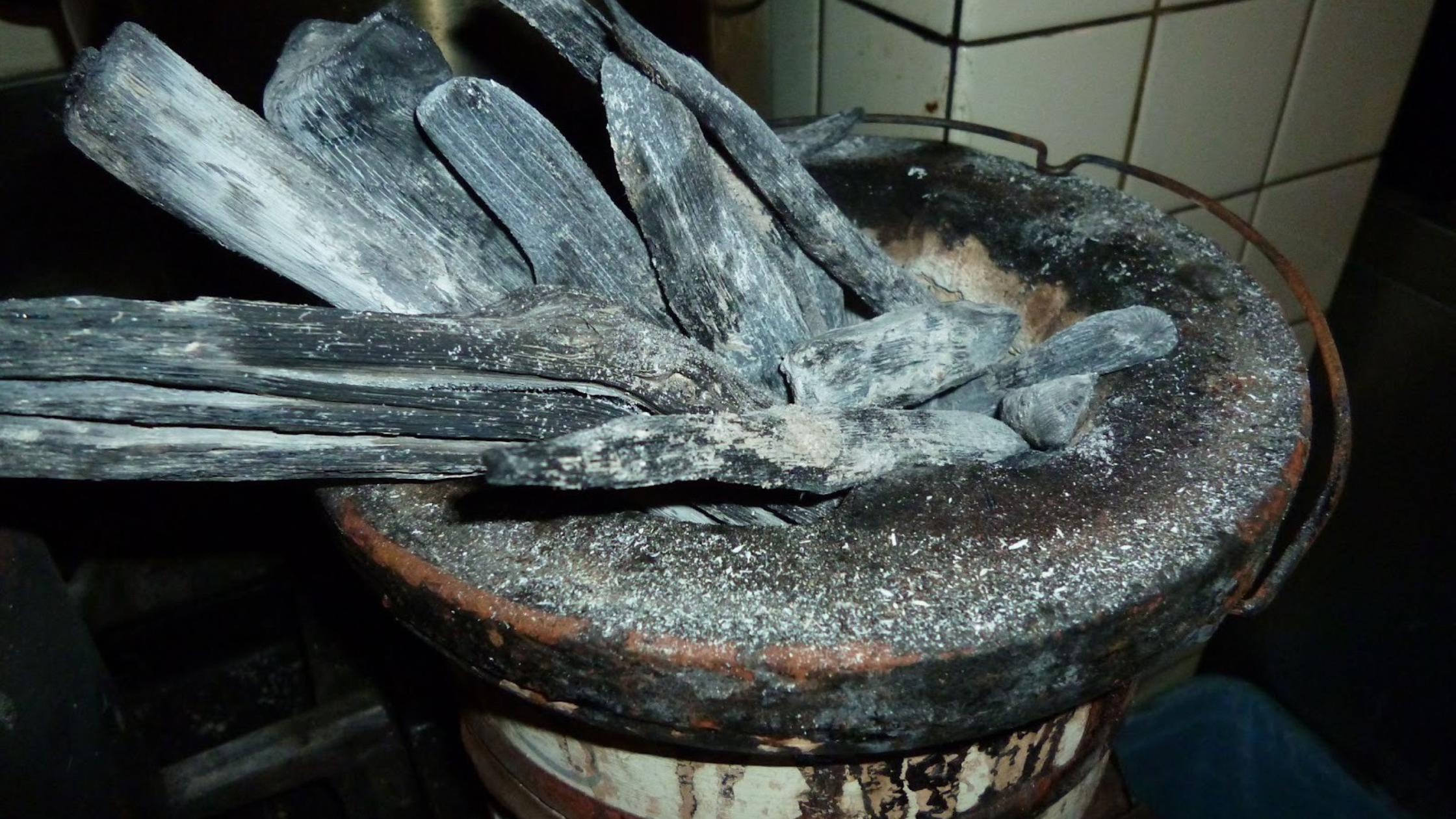
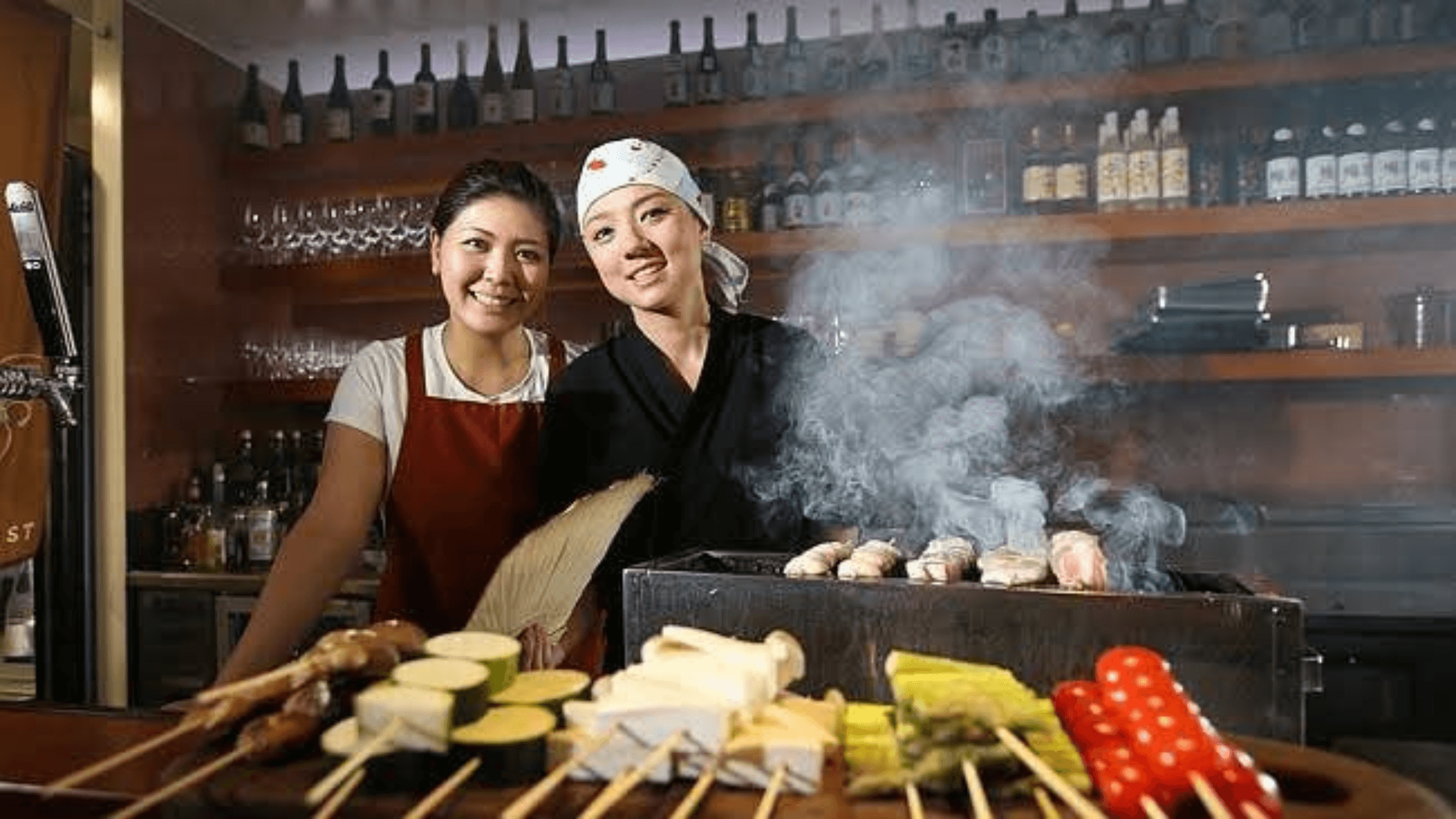
To do yakitori authentically, you need binchotan—premium Japanese white charcoal that burns at around 1,000 degrees Celsius. It’s what
creates that perfect sear, that incredible smokiness, and that juicy tenderness that defines real yakitori.
The problem? Nobody in Australia was using it. No suppliers would stock it. It was too expensive, too specialised, too risky.
So, through my teacher’s contacts in Japan, we arranged to import binchotan ourselves—by the container. We found storage space. We handled all the logistics. We imported specialised Japanese grills designed to withstand extreme heat. In doing so, we became the first restaurant in Australia to cook yakitori over authentic binchotan charcoal.
Everyone thought we were crazy. The charcoal costs roughly three times more than regular charcoal. The grills were a massive investment. The technique required specialised training. But we knew there was no substitute if we wanted to serve yakitori the way it’s meant to be done.
We chose West End for Bird’s Nest because of its vibrant, multicultural character and its appreciation for authentic food experiences. Melbourne Street felt like the right home for what we were trying to create.
Opening day was both terrifying and exhilarating. We’d invested everything—financially, emotionally, physically—into a dream that everyone said wouldn’t work.
Those first two years nearly broke us. Emi and I worked 100 days straight without a single day off. I barely saw my kids, who were just two and four years old at the time. The hours were brutal, the pressure relentless, and the learning curve steep. We were running a restaurant, managing staff, perfecting our craft, and trying to introduce West End to a style of dining most people had never experienced.
But we never considered quitting. Not once. We’d come too far, invested too much, and believed too deeply in what we were creating.
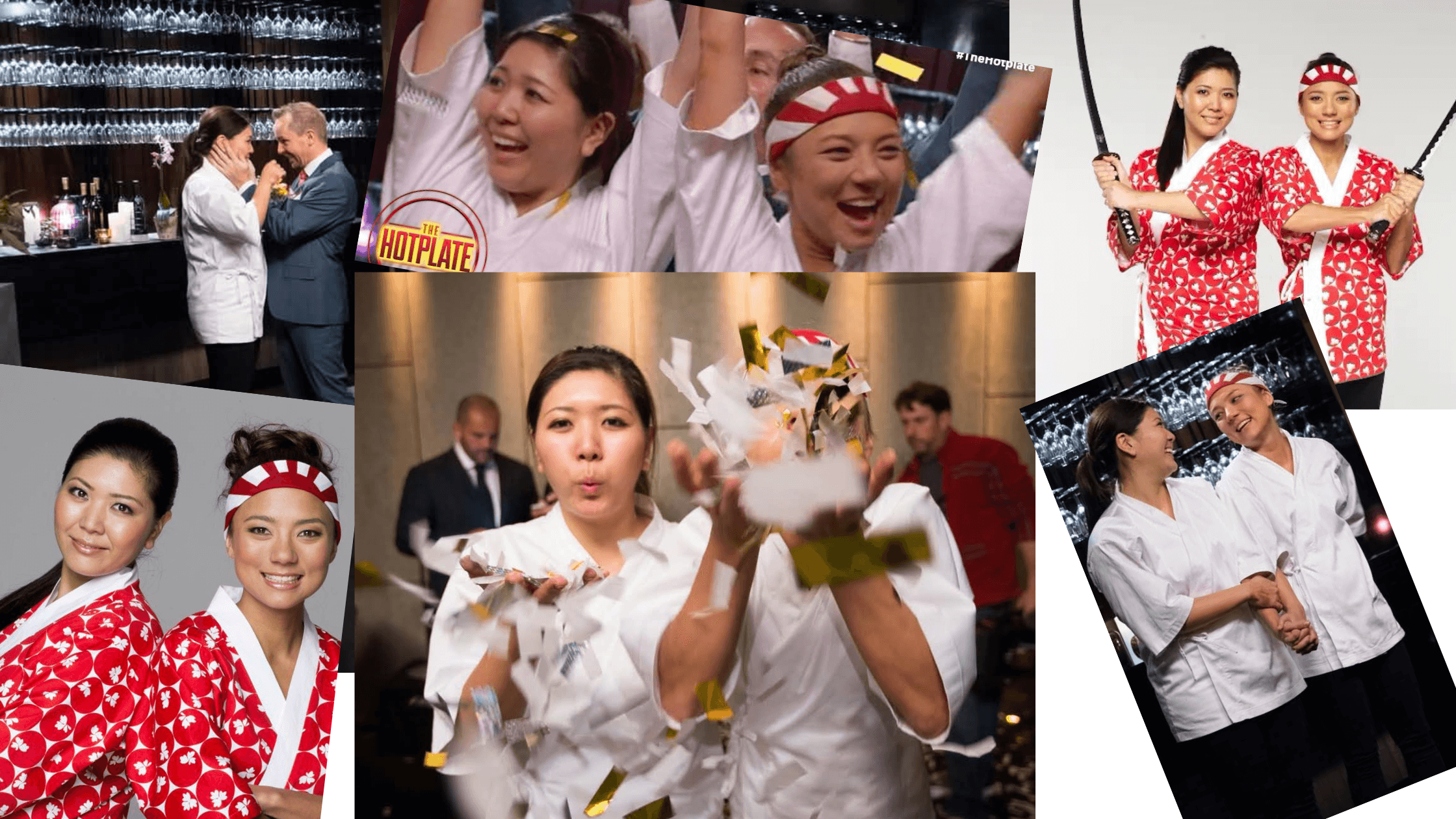
In 2015, something unexpected happened. We were accepted onto The Hot Plate, a national cooking competition show. Emi and I cooked together, representing Bird’s Nest and introducing our yakitori to a television audience.
We won.
The response was unlike anything we’d ever experienced. The business exploded. Suddenly, West End locals—and diners from across Brisbane—were discovering what we’d been working so hard to create.
The validation felt incredible. Not just for our cooking, but for our decision to do things properly: to use binchotan, to refuse shortcuts, and to trust in the craft we’d learned in Tokyo.
If opening a restaurant and winning a cooking competition were our only challenges, this would be a much shorter story. But West End—and Bird’s Nest—had more tests ahead.
COVID-19 hit in 2020, devastating the hospitality industry. Like every restaurant, we fought to survive. Emi and I leaned on each other, adapted where we could, and somehow made it through.
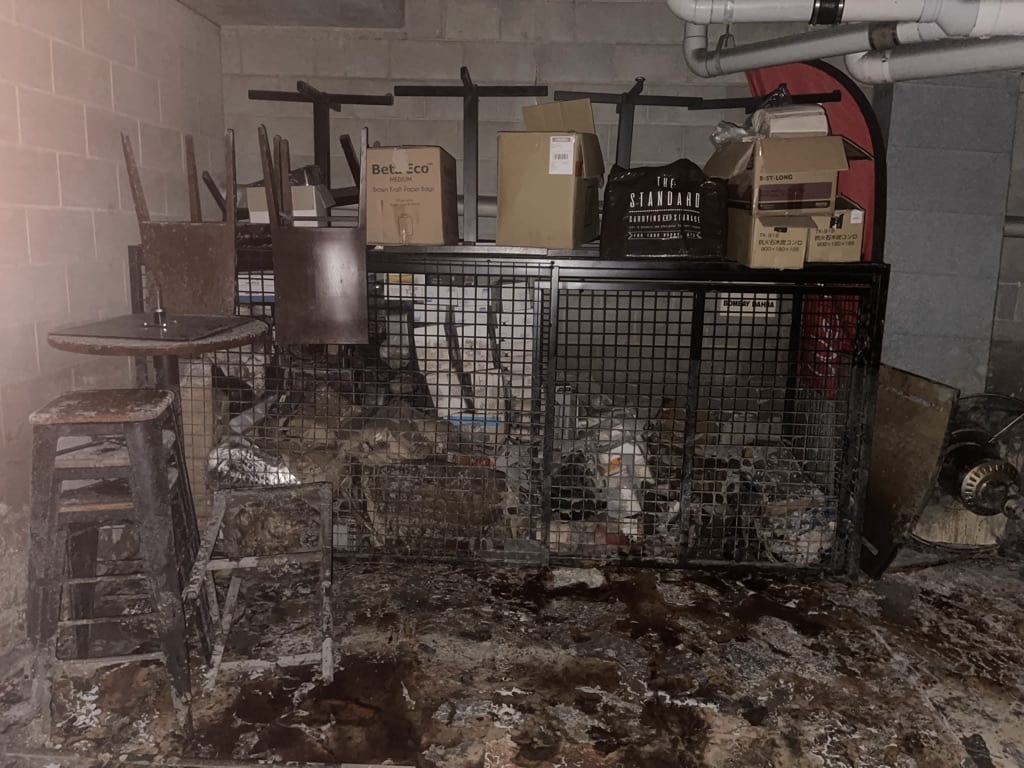
Then, in February 2022, West End flooded. Brisbane experienced catastrophic floods that submerged low-lying areas, caused widespread damage, and left our Melbourne Street location without power for six months.
Six months.
We ran the restaurant on generators, refusing to close, refusing to let the floods defeat us after everything we’d already survived.
Remarkably, we didn’t lose anything inside the restaurant. But the flood had lasting impacts on West End. When the area flooded again, we made the difficult decision to relocate.
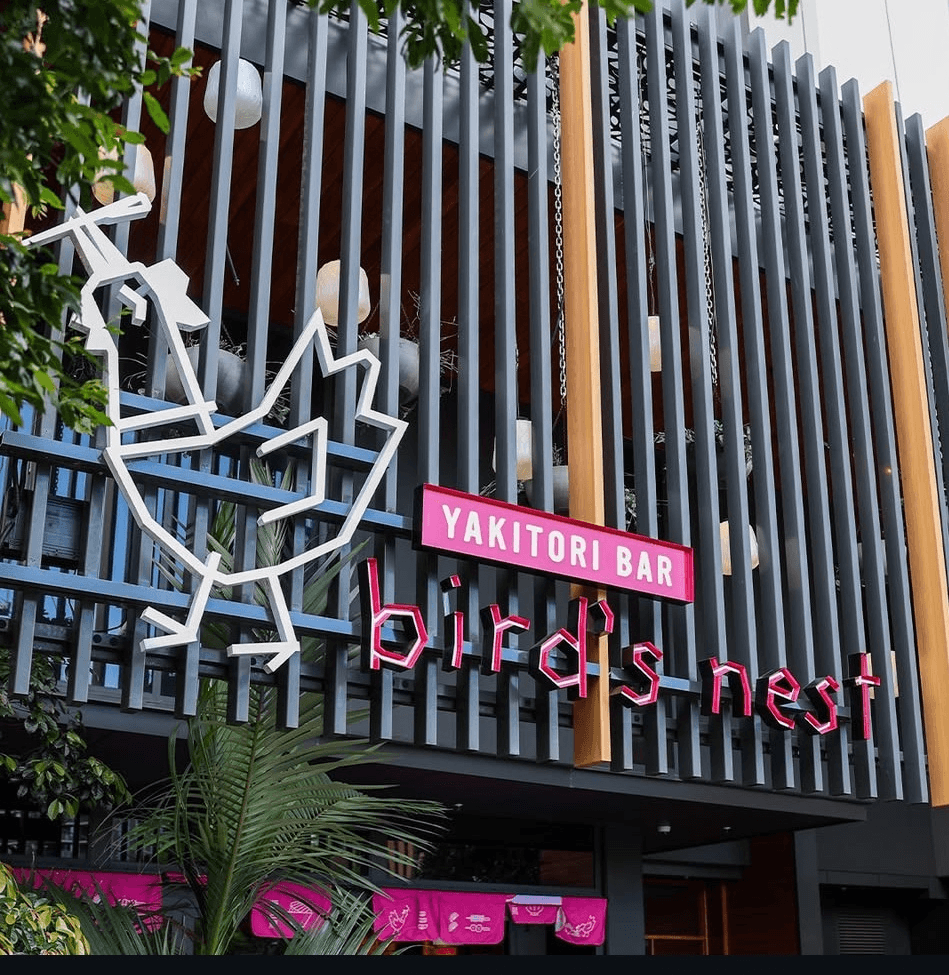
Two years ago, we moved Bird’s Nest just 150 metres up the road to Edmondstone Street. It’s still West End—the neighbourhood we’ve called home for over a decade, the community we’ve served through countless dinners, celebrations, challenges, and changes.
But the new location is less central than Melbourne Street, and I’ll be honest: we’re struggling. Foot traffic is different. Visibility has changed.
After surviving doubt, floods, and a pandemic, we’re facing a new challenge—making sure West End knows we’re still here. Still grilling over binchotan. Still serving the authentic yakitori we introduced to Australia 13 years ago.
People occasionally ask about our name. It’s simple, really. Tori means bird in Japanese, and many yakitori restaurants in Japan incorporate that word into their names.
We wanted something that honoured that tradition while still being easy for Australians to pronounce and remember. Bird’s Nest felt warm and welcoming—true to what we were creating. A place for people to gather, share skewers, and experience something genuinely authentic.
After 13 years, two floods, a pandemic, a major relocation, and countless 100-hour weeks, people ask why Emi and I are still doing this.
Because yakitori, done properly, is worth it.
Because West End deserves truly authentic Japanese dining.
Because we pioneered something genuinely special in Australia—and we’re not ready to let it go.
Every time we light the binchotan and that distinctive, clean smoke begins to rise—the smell you can catch from down the street—we’re reminded why we went to Tokyo, why we worked those 100-day stretches, and why we imported charcoal by the container when everyone said we were crazy.
We’re still the only restaurant in Brisbane—possibly in Australia—cooking yakitori over authentic binchotan charcoal. That extreme heat, that perfect sear, that incredible juiciness you taste in our skewers isn’t marketing. It’s the result of using the right fuel, the right technique, and refusing to take shortcuts, no matter how hard or expensive it is.